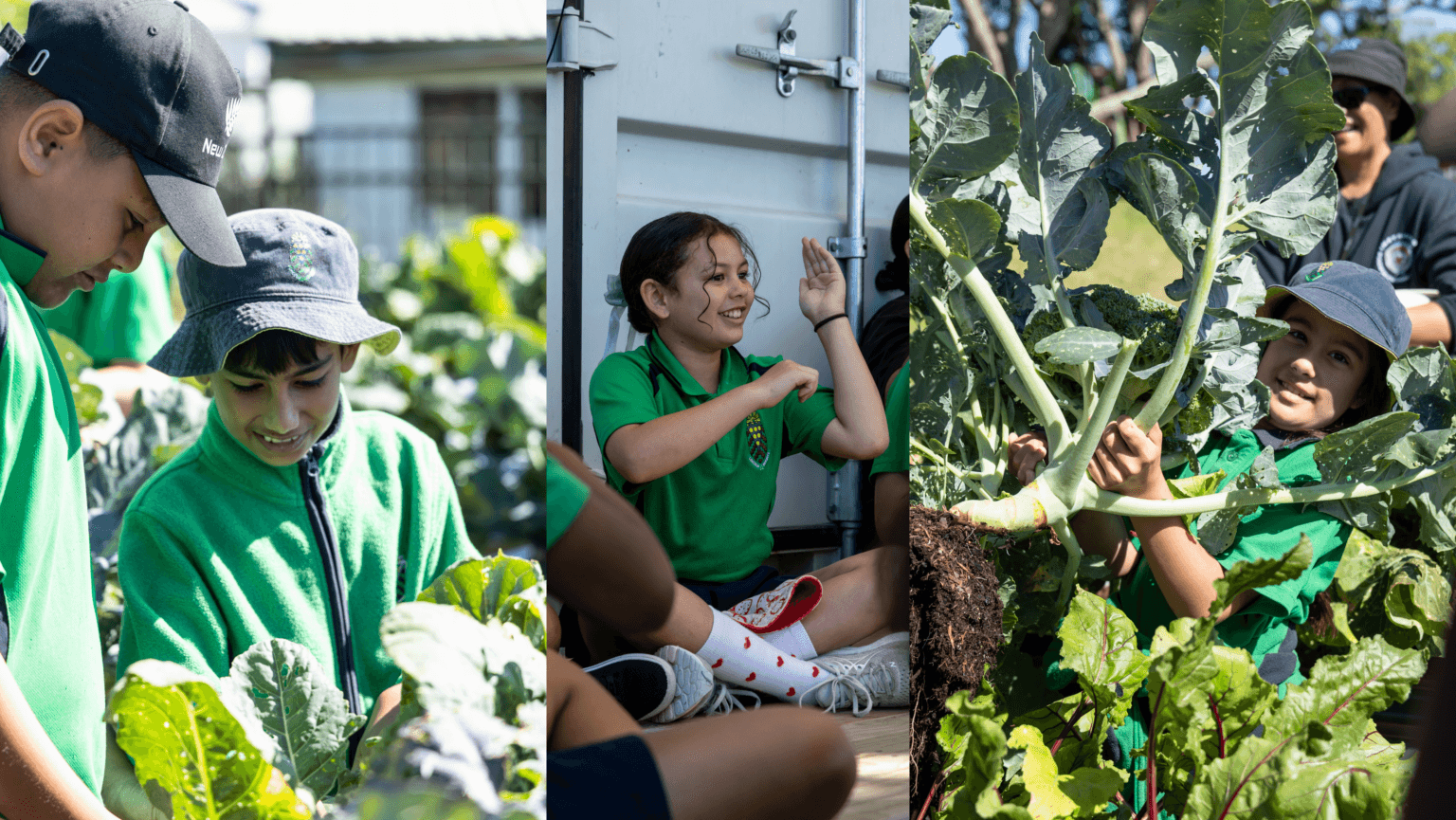
At Lincoln Heights School, the Kāhui Māra Kai kaupapa is showing how kai-based learning quietly builds confidence, connection and collective responsibility.
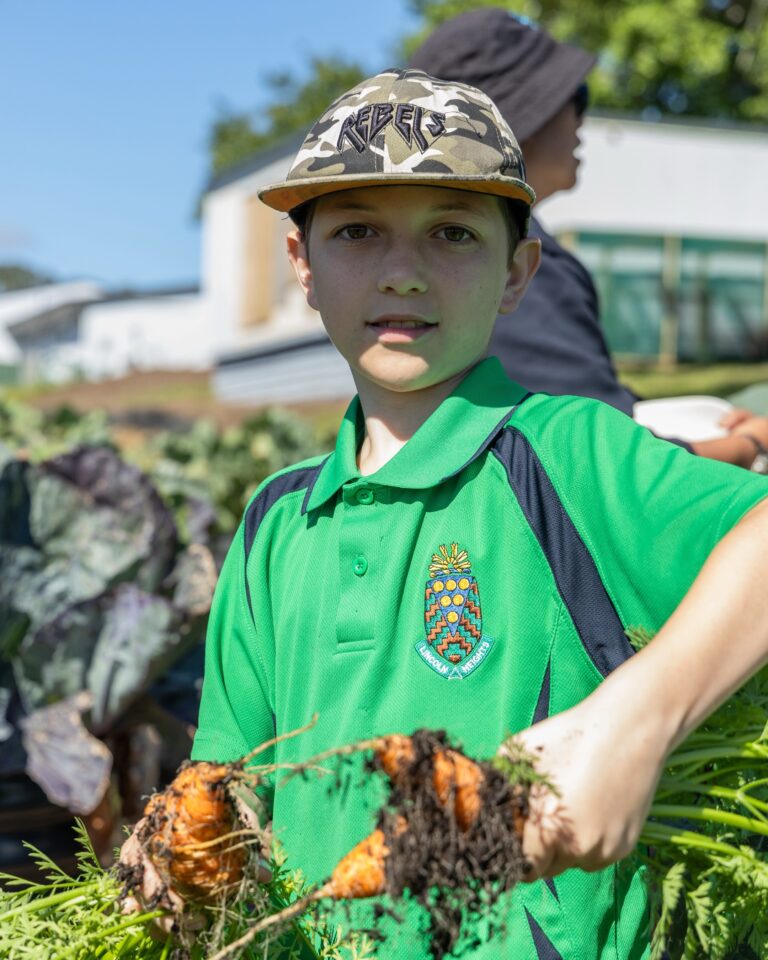
In the māra at Lincoln Heights, tamariki learning grows much like seedlings – quietly at first, then with earnest reach and depth. The Kahui Māra Kai kaupapa is shaping a way of learning that begins in the soil, hands working the earth, eyes watching seasons shift, tamariki tending living things that respond to care, patience, and attention. Confidence builds quietly here.
Four years ago, Lincoln Heights School – a mainstream school in Massey – began with a couple gardens and a simple curiosity: what happens when kai is used as a foundation for learning?
“I want others to understand that what I’ve done is for everyone” –Tamariki from Lincoln Heights School
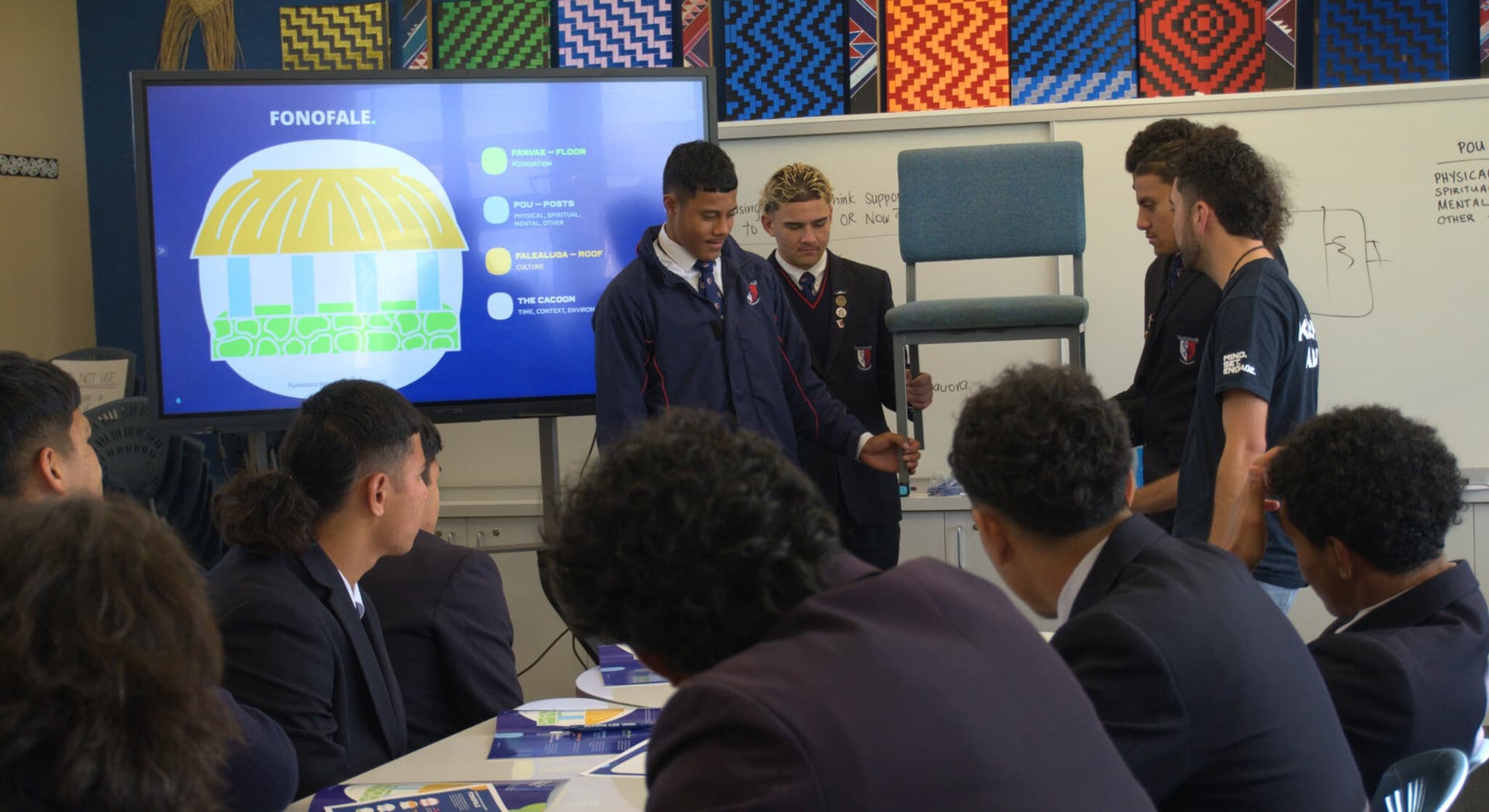
Since then, the kaupapa has expanded into a sheltered outdoor classroom, chickens, composting systems, further garden beds woven through the school grounds and a fale (traditional Pasifika house) which the tamariki are extremely proud of. What started with around twenty students is now reaching many more, and the school is considering what it could look like for māra–based learning to become school-wide. Healthy Families Waitākere Systems Innovator, Christian Curtis, explains.
“This growth has unfolded alongside the Mana Motuhake o te Kai framework, which has helped shape thinking around food, learning, and connection. As we prepare an insights report, we’re looking closely at how Mana Motuhake o te Kai has shaped the kaupapa over time, what has strengthened engagement, what opportunities emerge, and what conditions enable tamariki to lead and learn through kai.”
For generations, wellbeing was guided by food systems that encouraged learning through practice, sharing, seasonal awareness, and interdependence. Mana Motuhake o te Kai is one expression of that return, a way of rebuilding the everyday skills and relationships that help people lead long, healthy, balanced lives. When tamariki grow kai, they experience a lived system that supports health wellbeing, a way of learning that strengthens them as individuals and as a collective.
“I want others to understand the importance of gardens and nature and how we can’t survive without it and how we need to take care of our environment.” – Tamariki from Lincoln Heights School
Late this year, we returned to listen and observe the tamariki themselves, hearing first-hand what this kaupapa means to them. They spoke about feeding the chickens, knowing when to harvest, solving problems in rain or sunshine, and the satisfaction of watching something grow because they tended it. What stayed with us most was how often they talked about doing it together, how a māra relies on many hands, how one person watering isn’t enough if no one weeds, how harvest only happens when responsibility is shared.
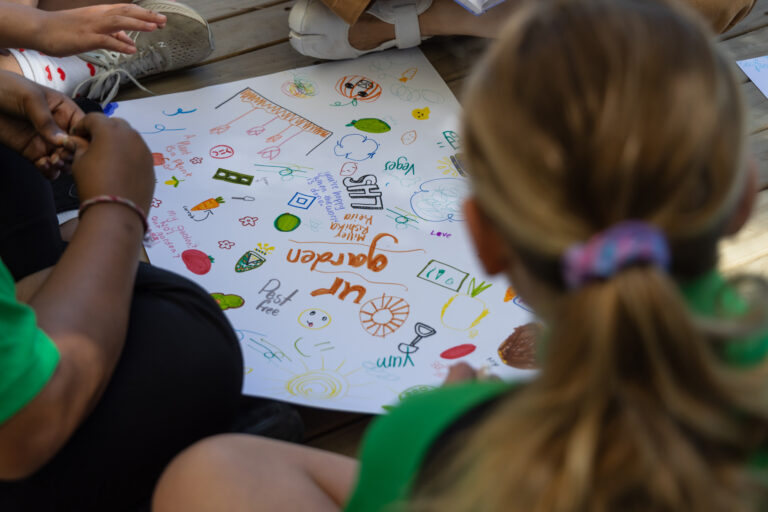
“Our māra kai shows the beauty of teamwork, how fun it can be and how plants are similar to us. Watching plants grow reminds me of how I’m still growing in this group/community.” – Tamariki from Lincoln Heights School
The learning shows up in their language, in the way they stand inside the māra as though it’s theirs, because they built it that way, collectively.
Kāhui Māra Kai continues to evolve.
“I really enjoyed this because I really loved being here and having fun with my friends” – Tamariki from Lincoln Heights School
The next step is capturing what we now know and using it to shape what comes next. Learn more about the Mana Motuhake o te Kai framework here.
Latest Articles