Wāhine at Henderson High School's teen parent unit are reconnecting with taonga puoro and Atua Wāhine as tools for healing and emotional regulation.
We see a future where the knowledge that steadied our tūpuna is alive in classrooms, homes, and carried forward in practice, not just memory. Where descendants of Hinepūtehue reach for taonga puoro as the inherent response to emotional overwhelm. Where Atua Wāhine are remembered, embodied and present.
A glimpse of that future is already visible inside the He Wero o ngā Wāhine (teen parent unit) at Henderson High School.
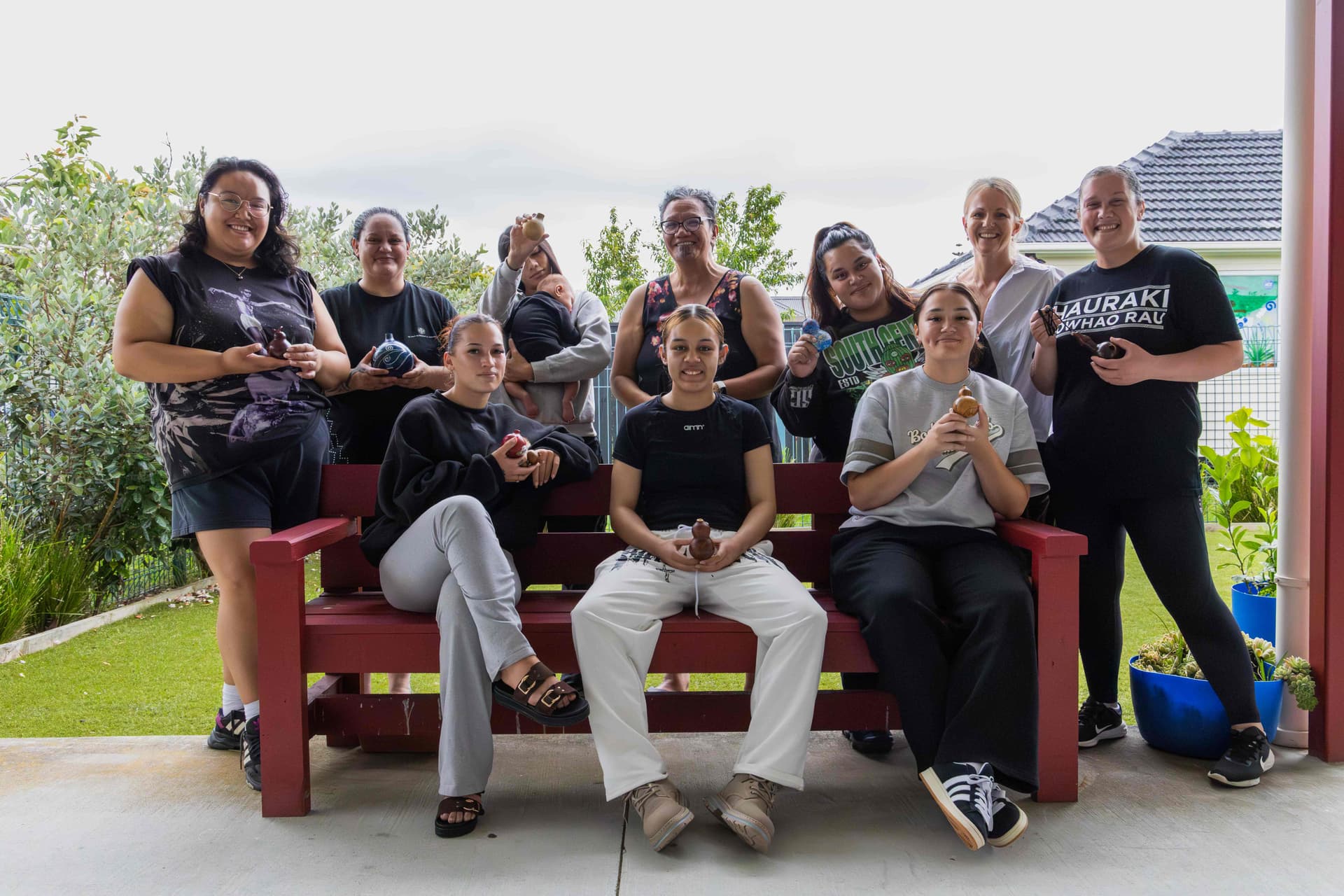
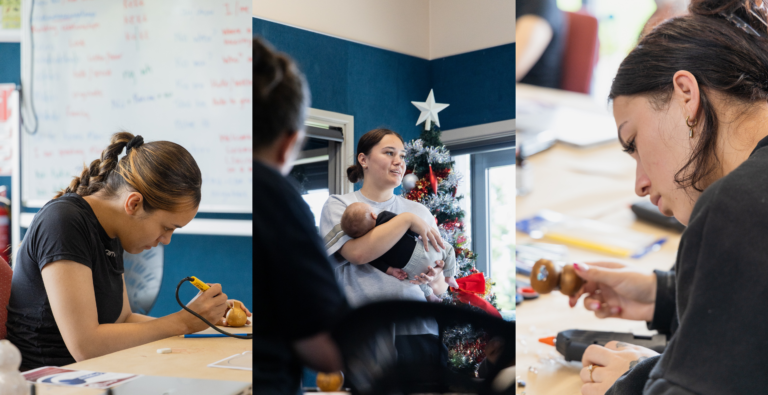
Over two days, a group of wāhine aged sixteen to twenty-three came together for a wānanga focused on reconnecting with pūrakau and traditional methods of calming and healing through sound vibrations. Participants are māmā, balancing parenting, study, and the ebbs and flows of life. Vaping is common, and many spoke openly about using it to cope.
“Vaping is a friend to me, for me it’s hard to quit. Seeing people vape makes me want it.” -wānanga participant, Khylie.
.jpg)
Instead of a cessation programme, they were introduced to hue and the story of Hinepūtehue, Atua Wāhine associated with sound, peace, and regulation. This was new for many, most had heard stories of Tāne atua, but not the Atua Wāhine whose knowledge has often been less visible.
“This isn’t about telling māmā to stop vaping on the spot,” says Kristen Te Moananui, Māori Systems Innovator at Healthy Families Waitākere. “It’s about putting back into their hands the tools our tūpuna used to settle their wairua, and trusting that when they’re ready, that connection will guide their choices.”
The wāhine designed and created their own taonga puoro, a tactile and reflective process. As they worked, kōrero naturally moved toward why they vape, what triggers it, and what alternatives might support them when emotions rise.
Alongside the carving came planning and design – not as decoration, but as a way to embed their pūrākau into the hue. Each wāhine was encouraged to consider a name, a symbol or marking that carried meaning: whakapapa, trauma, birth, joy, growth, future hopes. When the instruments were complete, they sat together and shared their taonga, the stories behind them, and the significance of each design. This step of reflection is central, the taonga becomes a resource anchored in their truth. When stress swells or overwhelm builds, they hold something shaped by their own journey, draw breath through it, and steady themselves again.
“Sometimes when we don’t have the voice, or the confidence, or the strength to speak out, this can be where we speak. We can put our pūrākau in here, play it to our baby and instil that into our baby.” – Facilitator, Cherrilee
Success here isn’t instant behaviour change. It’s knowing another path exists, one grounded in whakapapa. This is prevention at the roots, growing emotional regulation tools drawn from culture, so vaping is no longer the only or automatic response.
At its heart, this mahi is part of a wider return to Indigenous ways of being, where wellbeing is grown through breath, rhythm, story, whenua, and everything that connects us back to origin. Our tūpuna already built systems for emotional balance and collective healing, and those systems still stand when brought back into everyday practice. Strengthening tools like taonga pūoro, pūrākau, and shared wānanga grows response-patterns that are steady, relational and culturally held. Over time, this is how communities remain well — not through force or urgency, but through familiarity with practices that calm the body, settle the mind and keep people close to themselves.
“This was my first time creating something like this. It’s really unique. And yeah, I would recommend yous.” – wānanga participant Khylie
With Matanga generously explored and shared by:
- Tauira and Kaiako from the He Wero o ngā Wāhine
- Hana Tapiata – Book of Atua Wāhine
- Cherrilee Fuller – Facilitator and former student of the late Hinewirangi
- Hāpai te Hauora – Strategic Partner and funder
- Hinemoana and Rereahu Collier from Healthy Families Te Ngira and South Auckland
- Marisa Pene – Auckland Council
- Ngahuia Maunsell – Te Whānau o Waipareira
- Venus Rangi – Auckland City Mission
- Rikki Solomon – Matanga
- Anna-Leigh Hodge – Matanga and Psychologist
- Ryleigh Hayes – Tūwharetoa ki Kawerau
- Kiara Fisher – Te Korowai o Hauraki – Ngā Tini Whetū
Latest Articles