The Rangatahi Leadership and Active Engagement Programme is helping reshape what student leadership in sport looks like – placing young people at the centre of decision-making and programme design.
Supported by Tuia Waitākere and developed across Rutherford College, Kelston Boys’ High School, St Dominic’s College, Waitākere College and Massey High School, the initiative strengthens student leadership and increases participation in sport, all while building more inclusive, youth-led environments grounded in community values.
Underpinned by Balance is Better and Good Sports, the programme brings together students, coaches and sports coordinators to ensure student voice and cultural context sit at the heart of sport development.
As Tuia Waitākere Youth Advisor Jemma Palmer explains, the impact of the programme is clear in how it shifts both confidence and culture.
“When young people are genuinely given space to lead, the change is immediate. You see confidence grow, relationships strengthen and sport becomes something that truly reflects the community it serves.”
Jemma says that across each school taking part in the programme, students are not only participating but actively shaping how sport is delivered.
At Rutherford College, student leaders redefined leadership in practice, moving from event delivery based on personal preference to actively seeking input from less active students. Teams adopted shared leadership roles, gathering student voice and designing events that better reflect the wider school community.
.png)
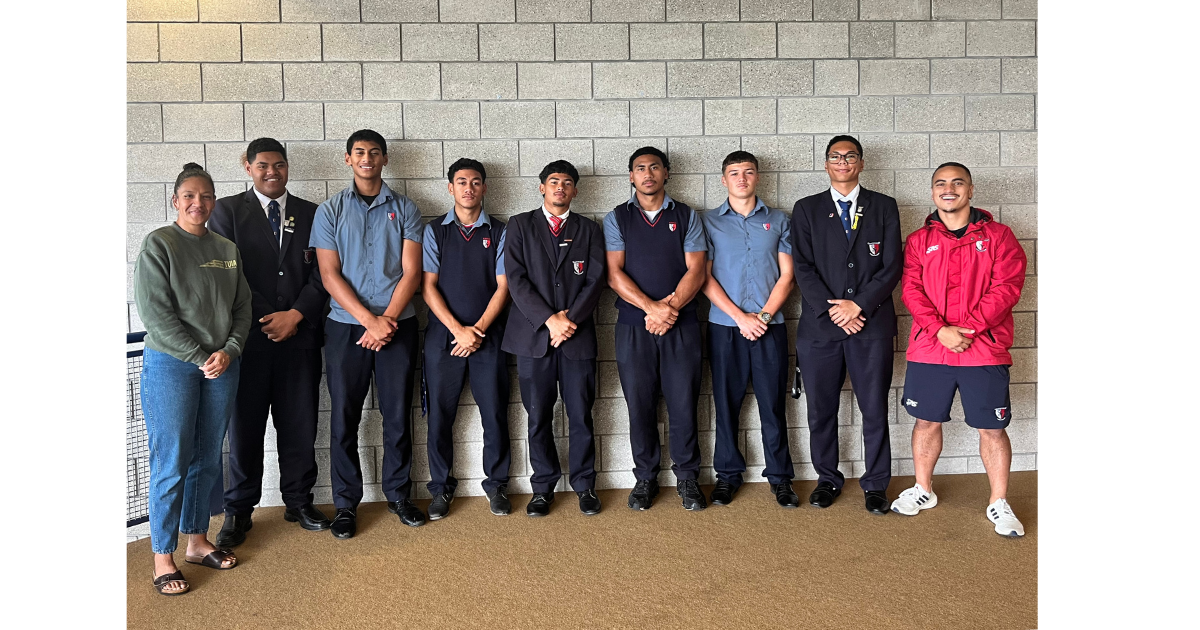
At Kelston Boys’ High School, students established the SAFE (Sport Activities for Everyone) group, building a strong identity around inclusive sport and linking activities to cultural and language weeks. They also introduced group chats and social media platforms to strengthen communication and accountability. Their ability to lead under pressure was demonstrated when they adapted a planned Kilikiti event due to weather, quickly pivoting into a teachers versus students volleyball tournament and Turbo Touch activation.
For St Dominic’s College, the focus has been on developing student sport coaches, providing practical tools to help them understand leadership expectations and apply them in real settings, with ongoing support planned through the season.
At Waitākere College, student netball coaches have been building practical leadership skills while strengthening connections between players, school identity and long-term participation in sport.
“I learned that leadership isn’t always being at the front – you can lead from wherever you’re needed,” commented a Waitākere College Student. Another added: “Leadership is standing up for what’s right for your team, even when it’s hard and helps others more than yourself.”
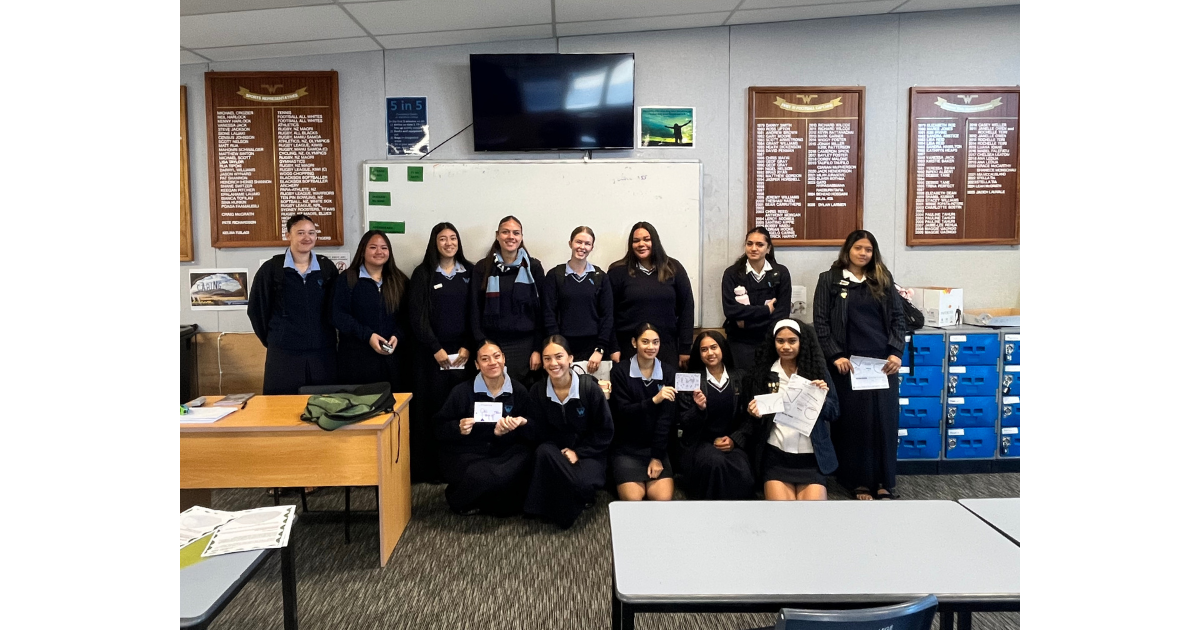
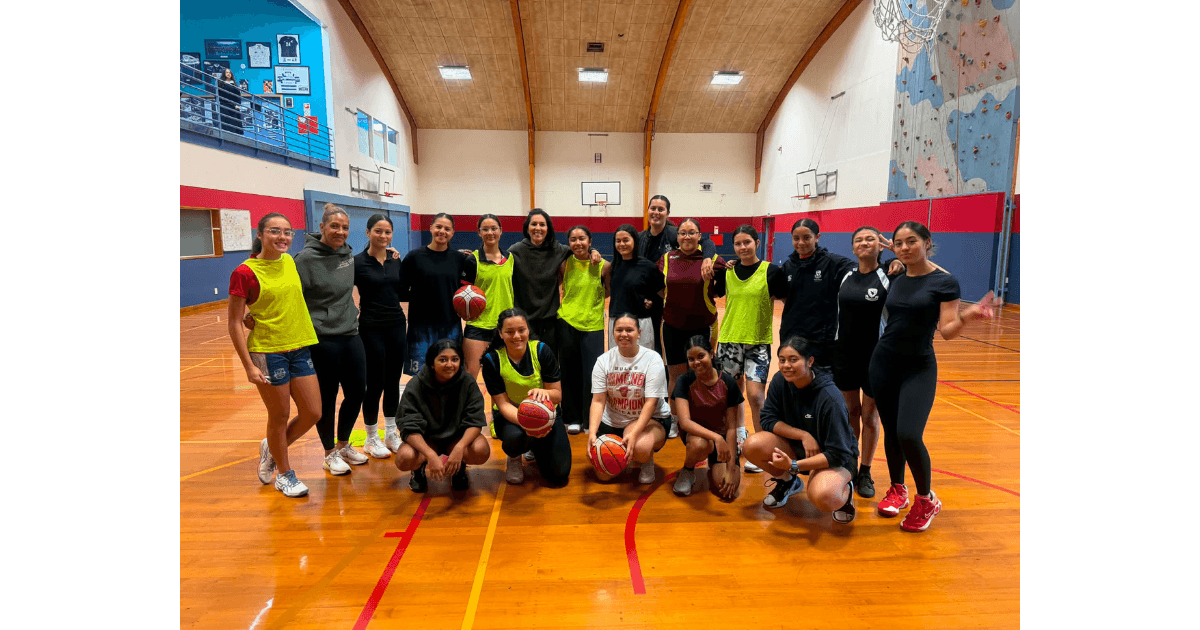
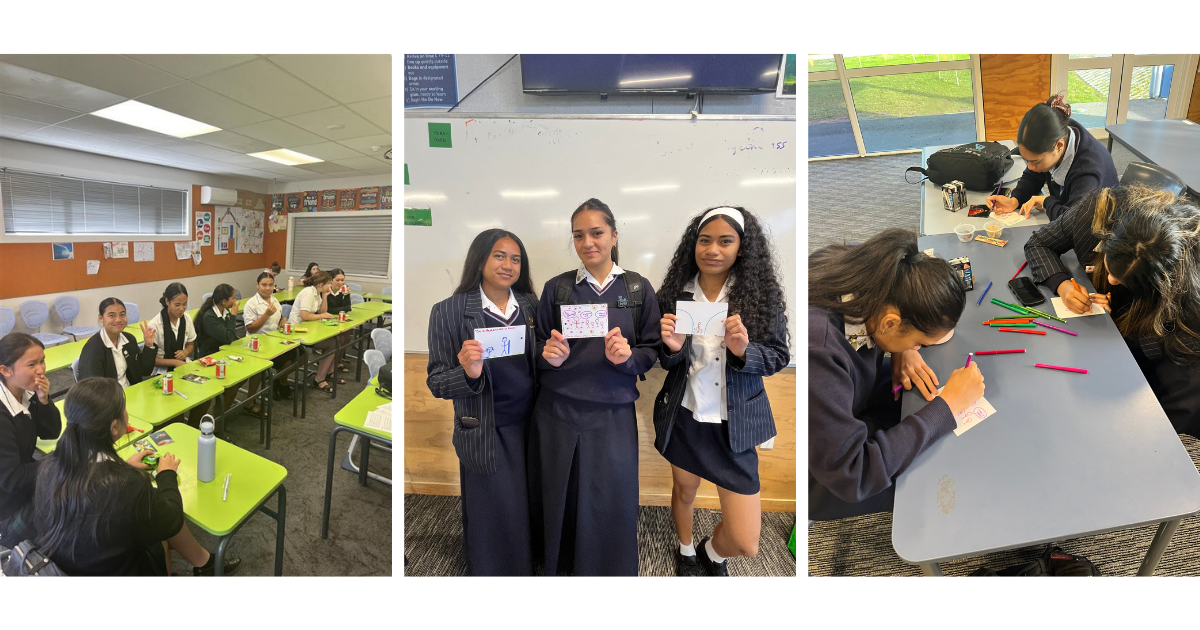
At Massey High School, two distinct but connected pathways – Girls’ Rugby and Basketball Academies – are embedding leadership through lived experience. In rugby, student voice has directly influenced coaching decisions, including the creation of a Year 9-focused team to strengthen retention and connection. In basketball, sessions have focused on resilience, communication and feedback under pressure, alongside the embedding of The Massey Way, grounded in Rangatiratanga, Manaakitanga and Whanaungatanga.
Students describe the impact clearly. “Being able to give our feedback made me feel more than just a player but part of the programme,” explained one Massey girls rugby player. Another added, “It felt good having our thoughts be part of what we are doing”.
“The Massey Way means we have to think about more than ourselves,” explained a Massey High basketball student.
-1.png)
Coach perspectives also reinforce the shift in culture and ownership. “It was such an awesome opportunity to have someone come through and support us and our girls. We’re a new programme and never thought to get the players’ input into what we were creating for them. It’s changed the direction of what we can see as success and has let the girls own this programme themselves,” explains Fou Tuivaiti, a girls rugby lead coach.
“That was a fantastic session for our team. They enjoyed it and it got them thinking. They’ve heard things I’ve said before but from someone different and in a different way, was just fantastic. I also took away some learnings and can’t thank you enough,” added premier basketball boys coach, Hayley Woods.
The programme continues to evolve through milestone delivery, pulse checks and ongoing school engagement, ensuring it remains responsive and sustainable. A key aspiration was to bring rangatahi together for a leadership development experience at AUT, opening pathways that extend beyond school sport into wider education, leadership and community opportunities.
Learnings from the programme to date clearly show that when student voice is central, sport becomes about more than participation. It becomes connection, belonging and leadership in action – driven by young people, shaped by community and sustained through meaningful relationships.
Latest Articles
-1.png&w=1920&q=75)