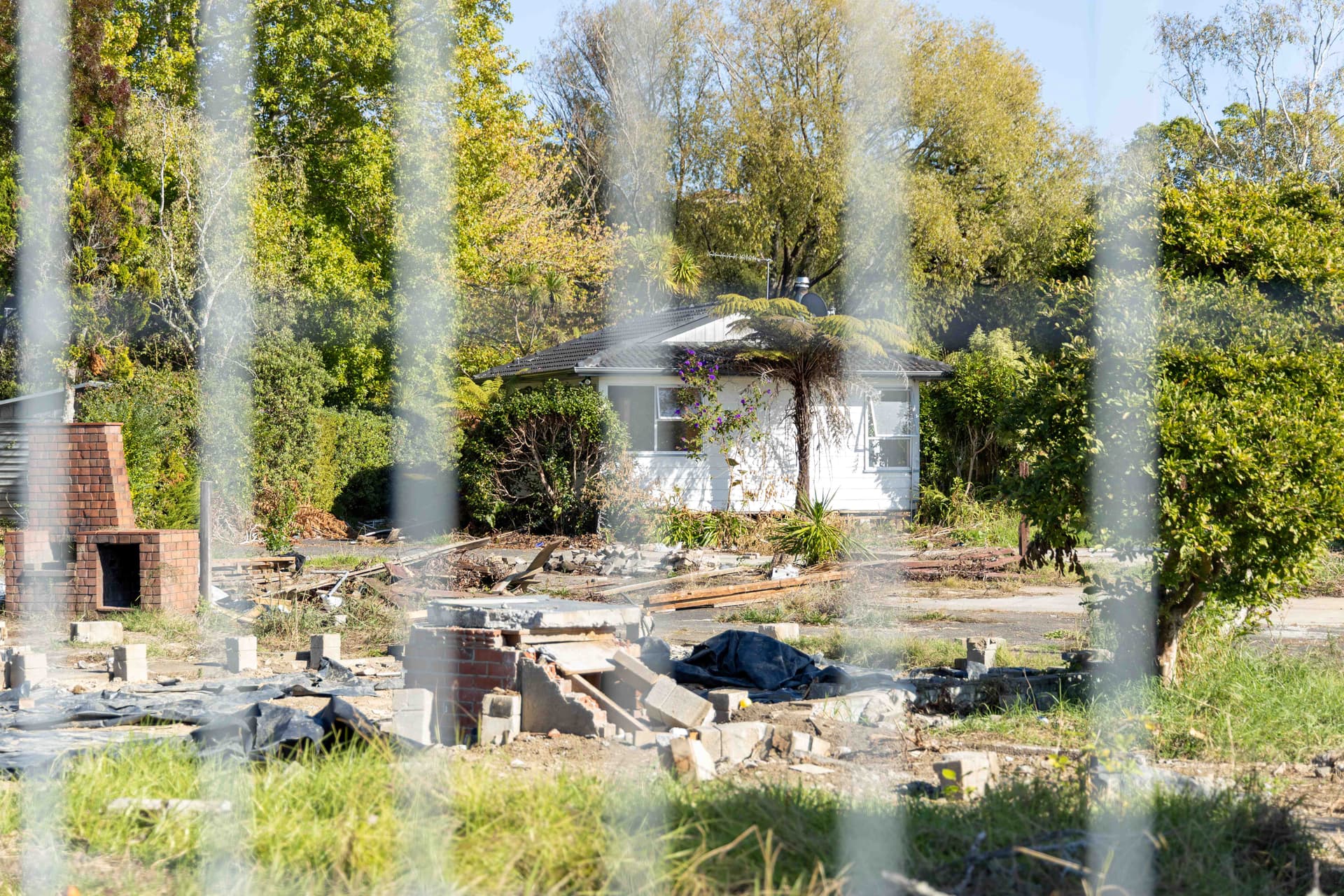
Recovery in Rānui is being shaped by the people who live there, on streets still carrying the weight of the 2023 floods, where uncertainty, change and rebuilding are part of everyday life.
What people have asked for are things most of us want: to feel safe where we live, to care for whenua and awa, and to have a real say in what happens next.
Last year, the Auckland Council Flood Recovery Office, in partnership with mana whenua Te Kawerau ā Maki, set a kaupapa to explore what recovery means for communities in Rānui. To bring community voices into the kaupapa, Sport Waitākere supported a series of Street Chat conversations across flood-affected neighbourhoods.
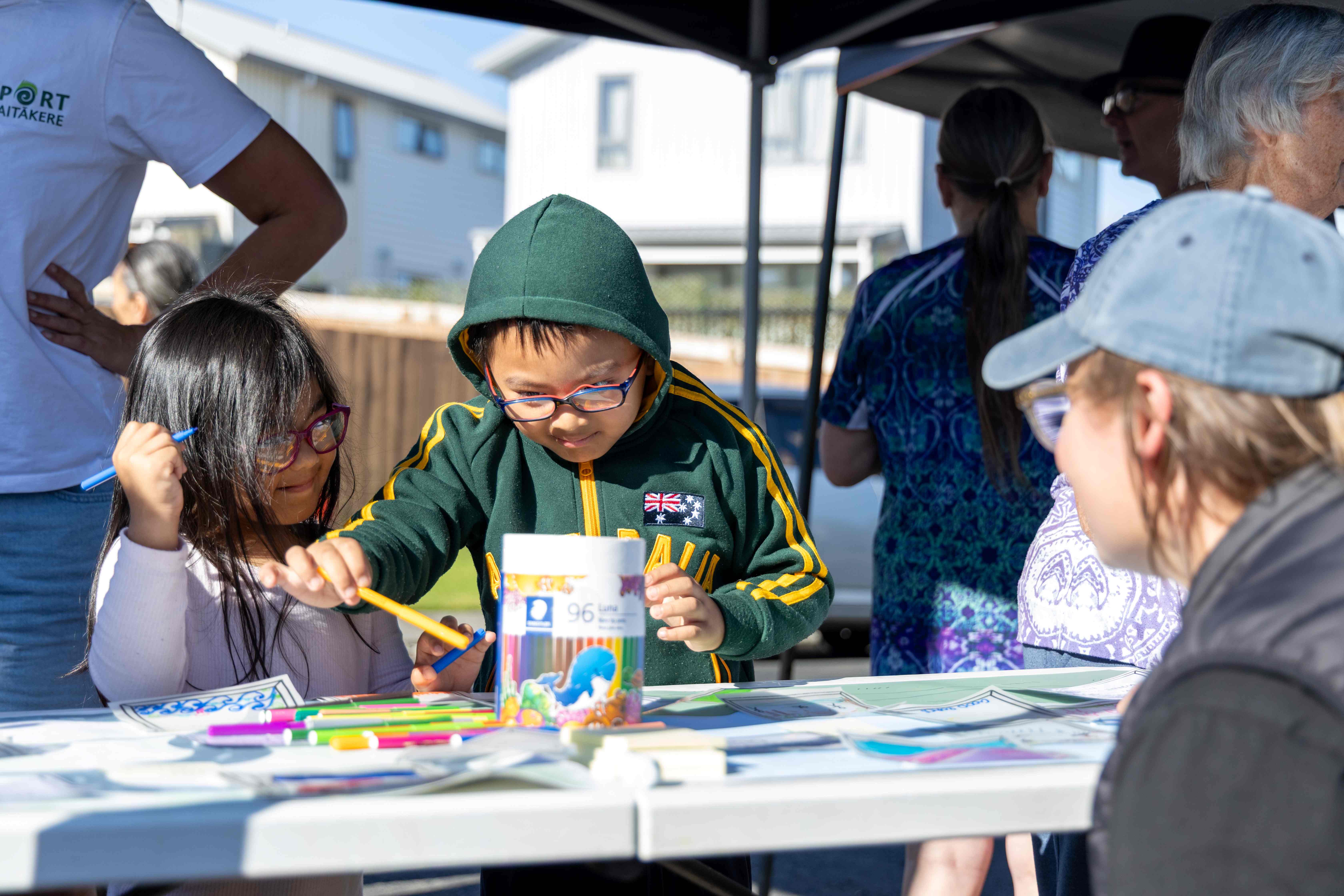
These kōrero were held in the streets and reserves most impacted by the floods - Urlich Esplanade, Clover Drive, Candia Road, Camphora Place and Waimoko Glen - grounding recovery conversations in the places most affected by those decisions. Sport Waitākere created accessible, low-pressure spaces that invited people to share their experiences and aspirations in ways that felt natural and familiar. Whānau, neighbours, rangatahi, tamariki and kaumātua contributed through kōrero, writing and drawing, speaking to both immediate concerns and longer-term hopes for their community.
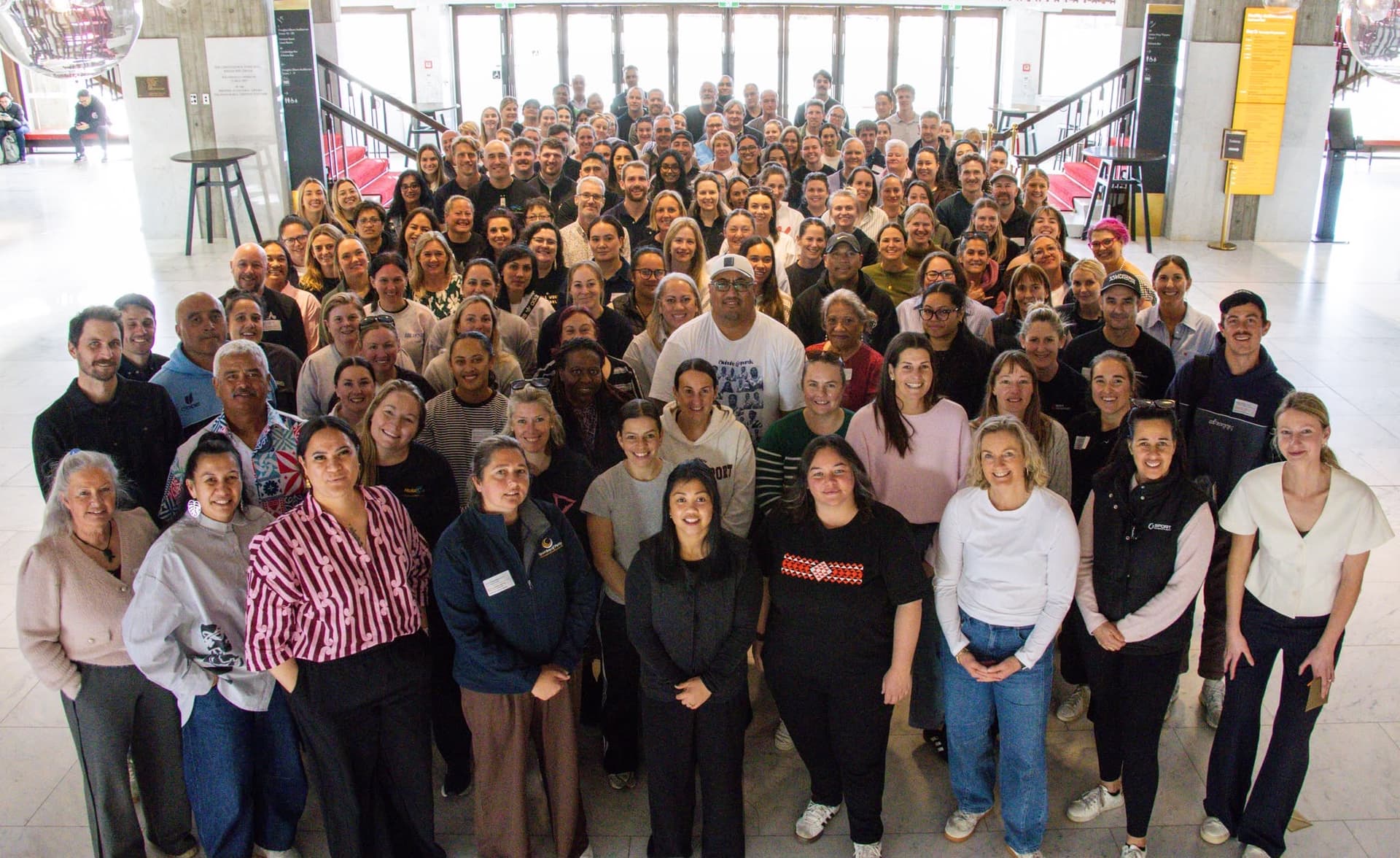
More than 120 people took part. As Chloe Alderton from Sport Waitākere reflected, the conversations were different on every street, but the values underneath were strikingly consistent.
“People weren’t just talking about what had gone wrong,” she says. “They were talking about what they need to feel safe again, how they look after each other, and how deeply connected they are to this place. There was a strong sense that recovery isn’t just about fixing land, it’s about honouring people’s connection to it.”
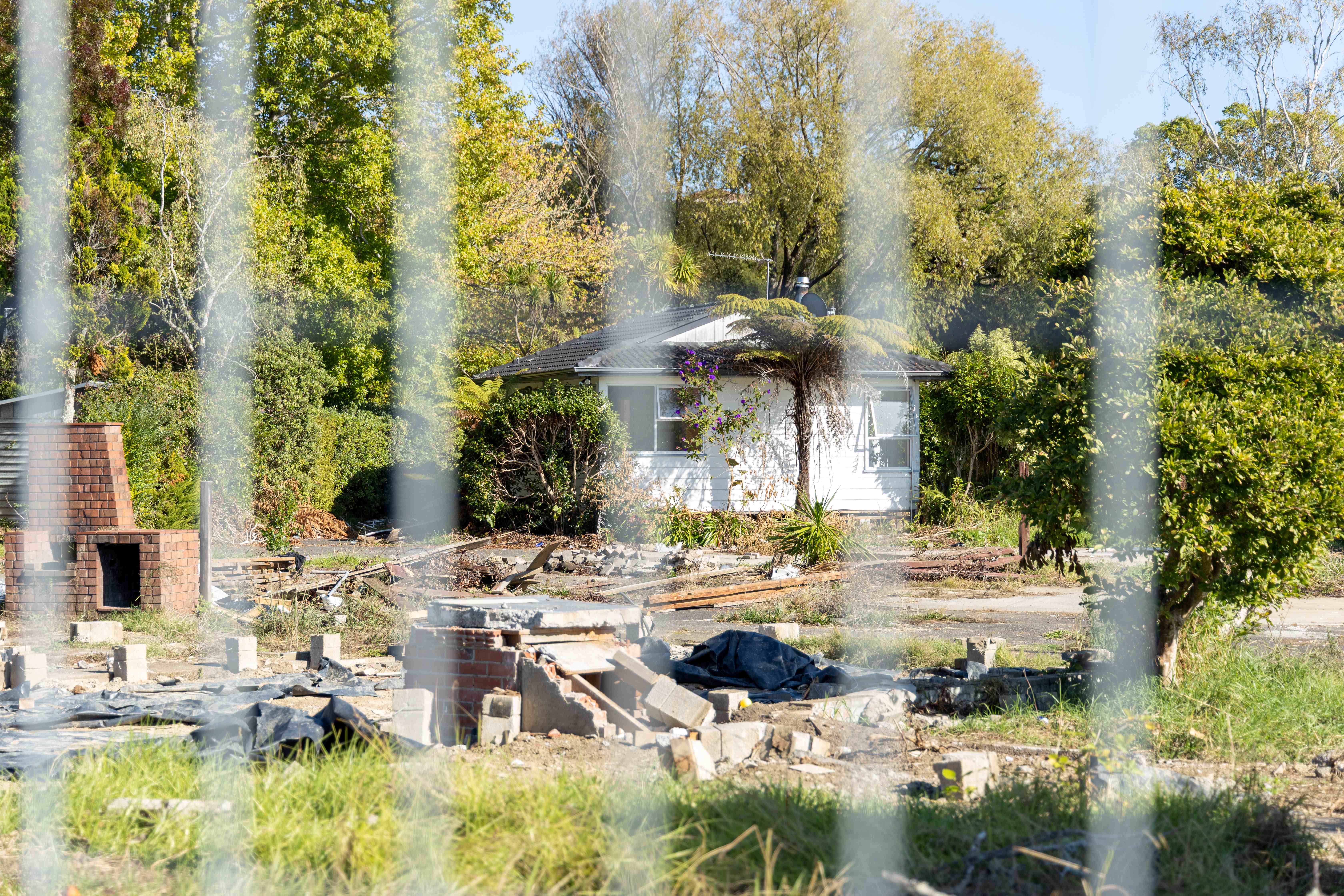
People spoke about safety, well-lit streets, calm traffic, cleared land and clear communication, as the foundation for wellbeing. They spoke about care for one another, reflected in neighbours regularly clearing stormwater drains running along their streets, watching out for each other’s homes, and holding shared spaces together. They spoke about voice and agency, wanting transparency, fairness and influence over decisions shaping their streets. And they spoke about whenua, the awa, green spaces and natural systems that hold memory, identity and long-term resilience.
This understanding of recovery closely aligns with how Te Kawerau ā Maki view their role in caring for place.
“For mana whenua, recovery is about manaakitanga and kaitiakitanga caring for both te taiao and tangata, ensuring community voices are heard in shaping what comes next,” says Jewelz Petley, who works for mana whenua supported by the Tāmaki Makaurau Flood Recovery Office.
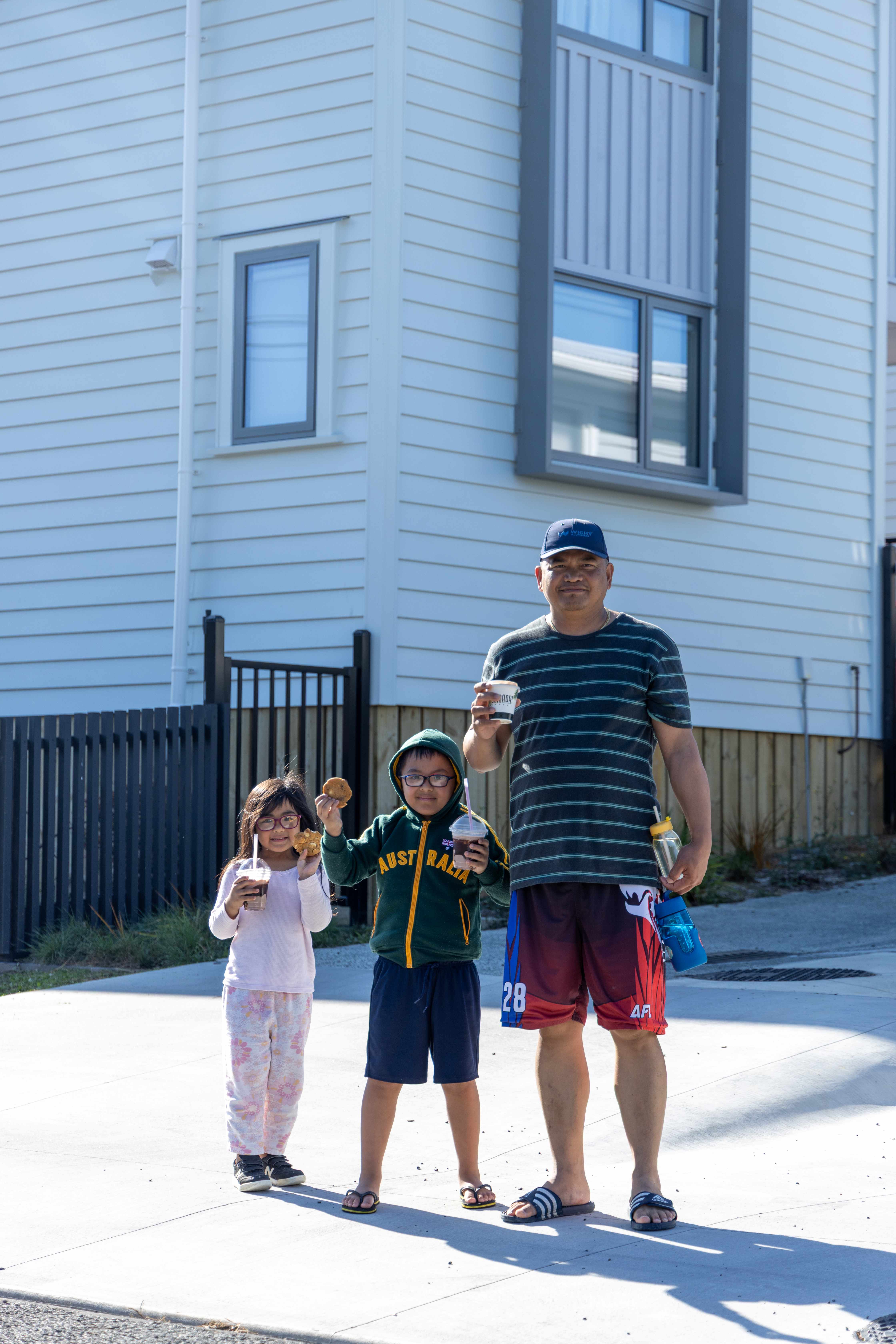
These kōrero carried both grief and gratitude. Behind every concern sat a deep attachment to place and a commitment to staying, healing and building something better together. The Street Chats offered a way for those values to be expressed where people live, in ways that felt safe and familiar.
Petley continues,
“the resulting Insights Report will not be publicly released, to protect the integrity, intent and ownership of community voice, while still supporting ongoing advocacy and engagement with recovery planning. The insights have informed - and will continue to inform - conversations across the Tāmaki Makaurau Recovery Office and related planning processes, guiding both short-term actions and longer-term thinking about how flood-affected land is restored and cared for.”
This mahi reflects what becomes possible when recovery is grounded in values, with people’s need for safety, care, voice and connection to whenua held at the core of decision-making. It shows the strength that already exists within Rānui, and the importance of partnerships that listen, respect community knowledge, and remain attentive to community priorities as recovery continues.
Recovery in Rānui is ongoing. The kōrero continues. What remains constant is the role of community as holders of place, memory and future, and the shared responsibility to honour that voice as the neighbourhood continues to change.
Ngā mihi nui to the residents of Rānui who shared their experiences and aspirations, and to the partners working alongside them to ensure community voice remains at the heart of recovery.
Latest Articles