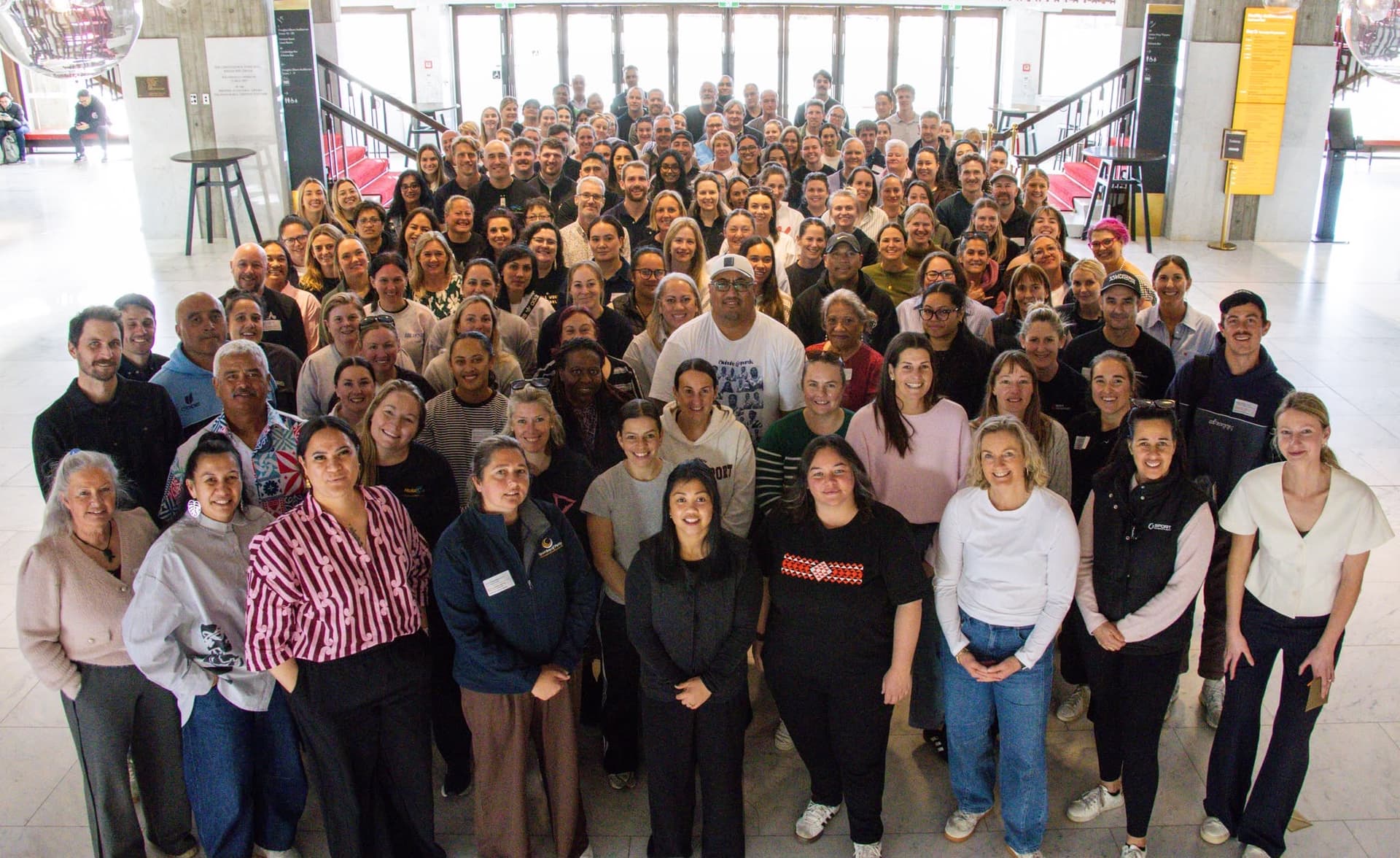
When communities, clubs, families, schools and facilities work together, sport becomes a powerful place for connection.
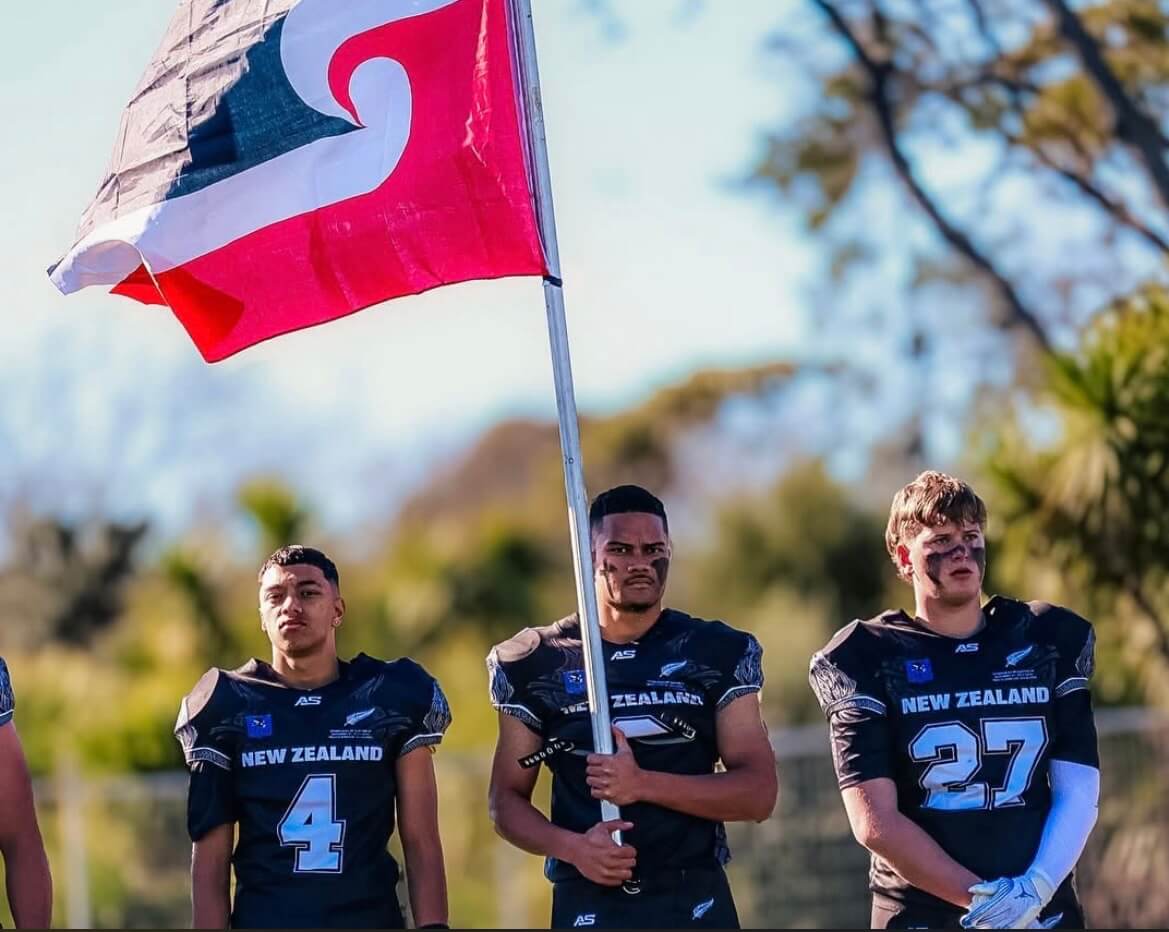
On any given weeknight and weekend in West Auckland, young coaches are encouraging their teams, whānau are cheering on the sidelines and clubs are working hard to make sport welcoming for everyone.
Behind these moments is a network of organisations committed to doing things differently. Over recent months, Sport Waitākere (now Tuia Waitākere) and community partners have come together to help shape positive sporting environments where rangatahi feel supported, respected and excited to participate.
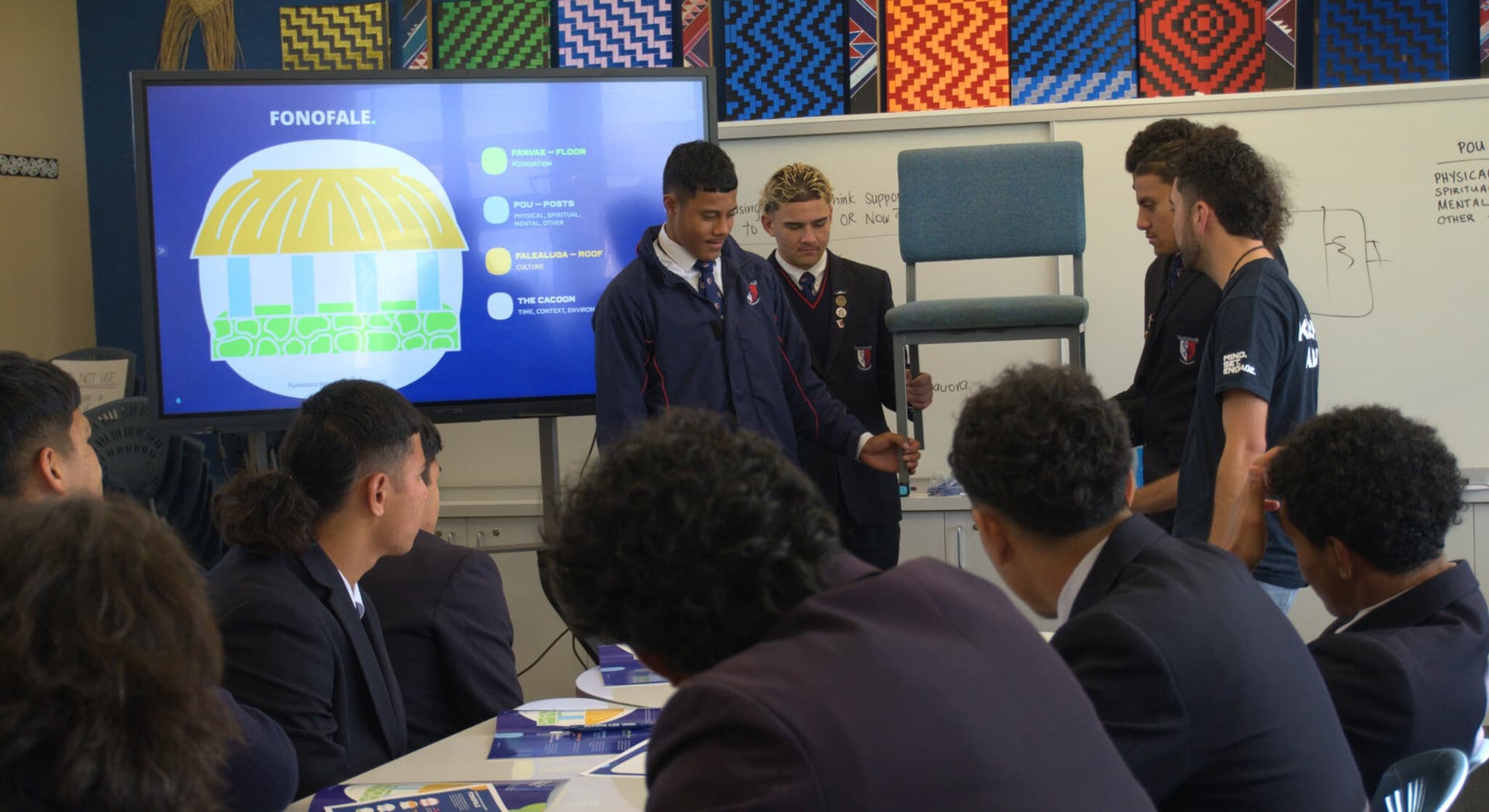
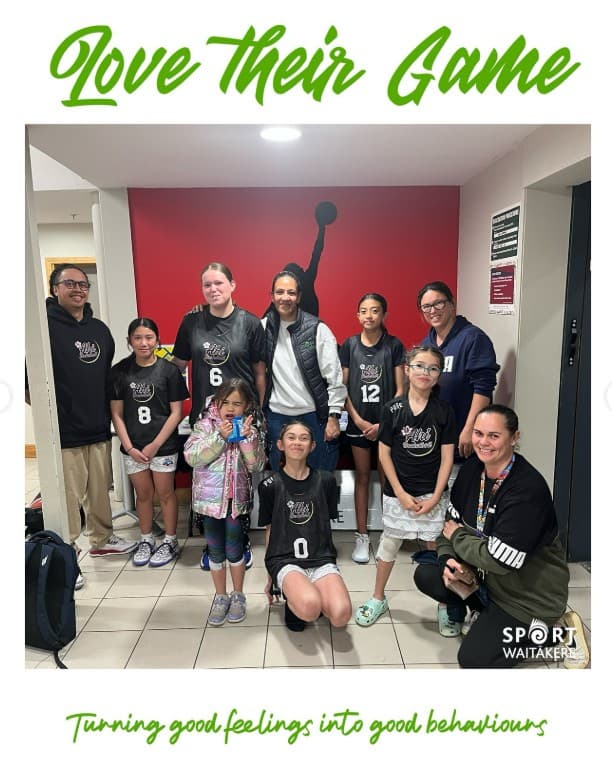
Underpinned by valuable initiatives such GoodSports, Love Their Game, and Balance is Better (BIB), this combined mahi has been strengthening and uplifting the great work already happening in West Auckland. An example is a recent collaboration with Te Ao Kita, whose programmes proudly embed te reo Māori and cultural identity in sport, with a focus on providing a safe, fun space for rangatahi Māori to learn, grow and develop new skills.
“Through this partnership we helped in turning their Kupu Māori touch terms into practical, user-friendly resources,” explains Jemma Palmer, Youth Sport Advisor at Sport Waitākere. “These tools make it easier for players, coaches and whānau to use and hear te reo Māori in the game environment – normalising its presence, strengthening cultural confidence and ensuring tamariki and rangatahi feel comfortable being themselves.”
With many clubs and codes sharing the same facilities, Sport Waitākere has also identified an opportunity to build more consistency across the region by positioning sports venues as central hubs for the Love Their Game initiative.
This approach helps ensure that everyone, including clubs, RSOs, NSOs, schools, casual users and sideline supporters, receive the same clear message about what a positive playing environment looks like.
“At Massey YMCA, strong parent and whānau engagement showed the power of this consistency, with shared expectations helping create calmer, more enjoyable experiences for young people across different codes and competitions,” says Jemma.
“It’s a great example of what happens when clubs and schools align around shared values – our young people feel it straight away.”
For coaches and parents alike, the positive outcomes have also been significant.
"This was a good test for me to hear our kids – a good reminder of why I coach,” commented WWABi’s Head Coach. "Thank you for coming through and sharing your vision with me and keeping me and my volleyball club in mind. This mahi is needed but sometimes we forget,” added the Head Coach from Waitākere Rebels Volleyball.
"I never think about the action or the impact it has on my kid, but to hear what they need helps me help them,” commented a parent at the Waitematā Rugby Community Sevens. “I te wa he hari koa taku whānau (my family was happy),” added another parent from Te Ao Kita.
The aligned approach is already gaining interest from other sports, opening new opportunities for collaboration, shared learning and connection. It has also helped Sport Waitākere engage with clubs that haven’t previously been involved, strengthening relationships and creating pathways for future initiatives.
Throughout the year, the positive impacts spanned numerous local events and competitions, including WWABI U20 (2 June), WWABI U18 (10 July), Waitākere Rebels Volleyball (9 July), Massey YMCA (18 September), Waitematā Rugby Community Sevens (27 September), UFSCA West Coach Development (28 September), Glenora Rugby League Tag for All Module (9 October), Te Ao Kita Touch Module (22 October) and Rānui Softball (15 November).
Across these events, student coaches and young umpires stepped into leadership roles, supported by clear shared values and consistent expectations that helped them grow their skills and confidence. Their experiences demonstrate the impact of aligned approaches that uplift rangatahi and the communities that support them.
“The commitment of these many community partners reinforces that the responsibility for positive sporting experiences does not sit with one organisation alone – we all have a role to play,” says Jemma.
“This mahi is doing more than improving sideline behaviour; it is helping create spaces where everyone feels welcome and supported. When communities, clubs, families, schools and facilities work together, sport becomes a powerful place for connection.”
Latest Articles