Sport can be a powerful place for young people to connect, build confidence and feel a sense of belonging.
Fa’atauanau, a Pasifika-led wellbeing initiative, is showing how those same sporting environments can also create opportunities to talk about mental wellbeing, build resilience and strengthen the support around rangatahi far beyond the playing field.
Fa’atauanau began as a grassroots sport and community kaupapa through Healthy Families Waitākere and Tuia Waitākere, with a focus on improving wellbeing, connection and positive health outcomes for rangatahi, whānau and the wider community.
In 2025, Tuia Waitākere’s Community Sport team worked alongside Healthy Families Waitākere Pacific Systems Innovator Pelenatino Malo to support the delivery and growth of Fa’atauanau at Avondale College. Together, they identified an opportunity to strengthen mental wellness support within grassroots sport and create more opportunities for rangatahi to access positive conversations about wellbeing.
Avondale College provided an initial testing ground for exploring how sport could be used as a pathway to engage rangatahi and support mental health and wellbeing.
Tuia Waitākere Youth Advisor Jemma Palmer says the kaupapa demonstrated the value of bringing different areas of expertise together.
“Sport is often one of the first places where rangatahi build relationships and feel a sense of belonging. Fa’atauanau showed us how powerful those sporting environments can be when we intentionally create space for conversations about mental wellbeing and make sure the right support is around young people.”
Following the success and learnings from Avondale College, the kaupapa continued to grow, creating opportunities to work alongside sporting communities across Kelston and West Auckland. The focus expanded to supporting sporting environments to raise awareness of mental health challenges, provide education around wellbeing and resilience, and create opportunities for coaches and others working with young people to build their skills and confidence.
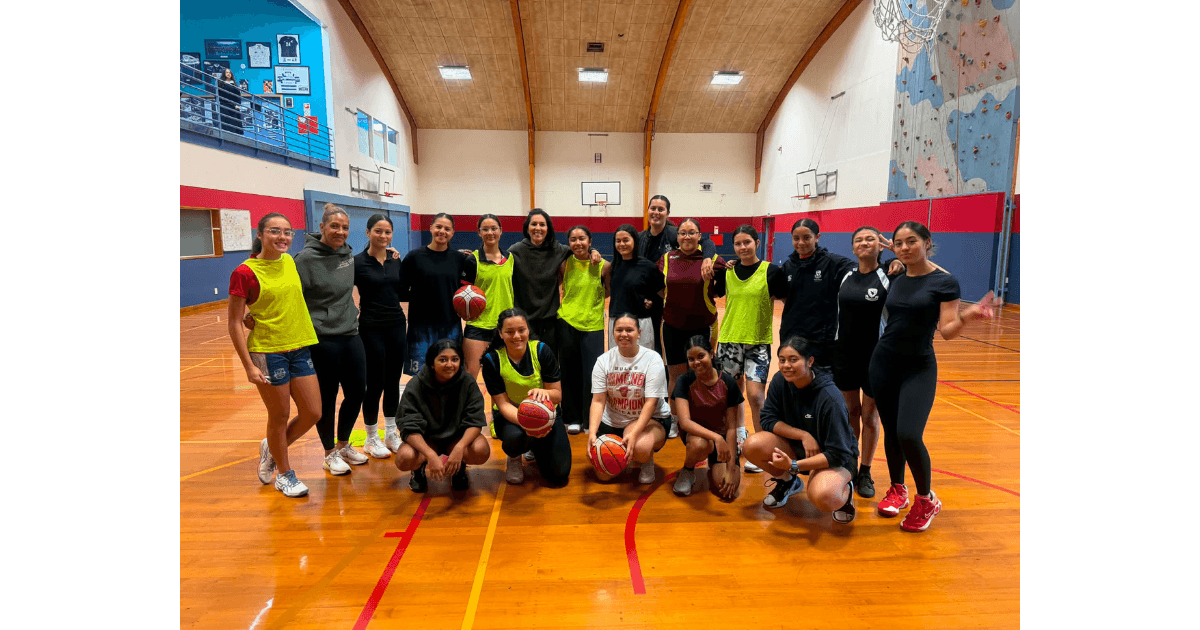
A key example of this growth has been the mahi alongside The Valkyries, the New Lynn Stags girls’ rugby league team. Through ongoing engagement including coach development workshops, participation data and whānau feedback, the team gained a deeper understanding of the positive impact the Valkyries were having in their community.
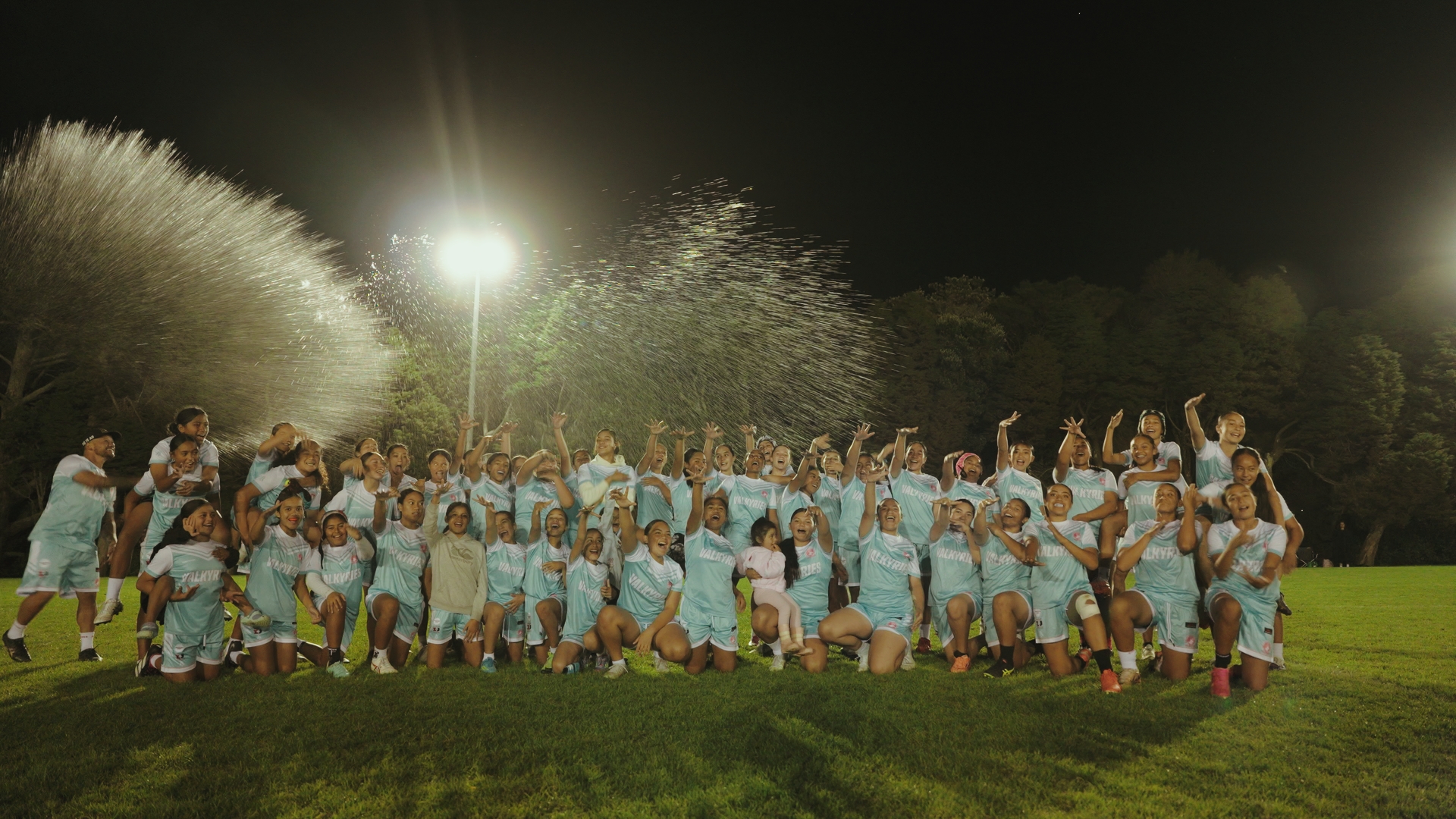
In April, Pelenatino coordinated a digital storytelling piece during a Valkyries training session to capture and share their experience. The opportunity highlighted more than sporting achievement – it showcased the connections, confidence and belonging being created through grassroots sport.
At the club, the girls come to training to be with each other. The coaches build on that – patiently, deliberately, over time – with belonging as the foundation.
As one coach explained: “When they watch this in 10 years’ time I hope they felt like they belonged here. I hope they felt they were valued. I hope they felt like were strong and that Valkyries wasn’t just a league game in their life.”
A fellow coach added: “League is the sport but there’s more to it than just league. It’s coaching these girls to be the best that they can be. That’s when they start feeling like they’re in a safe space.”
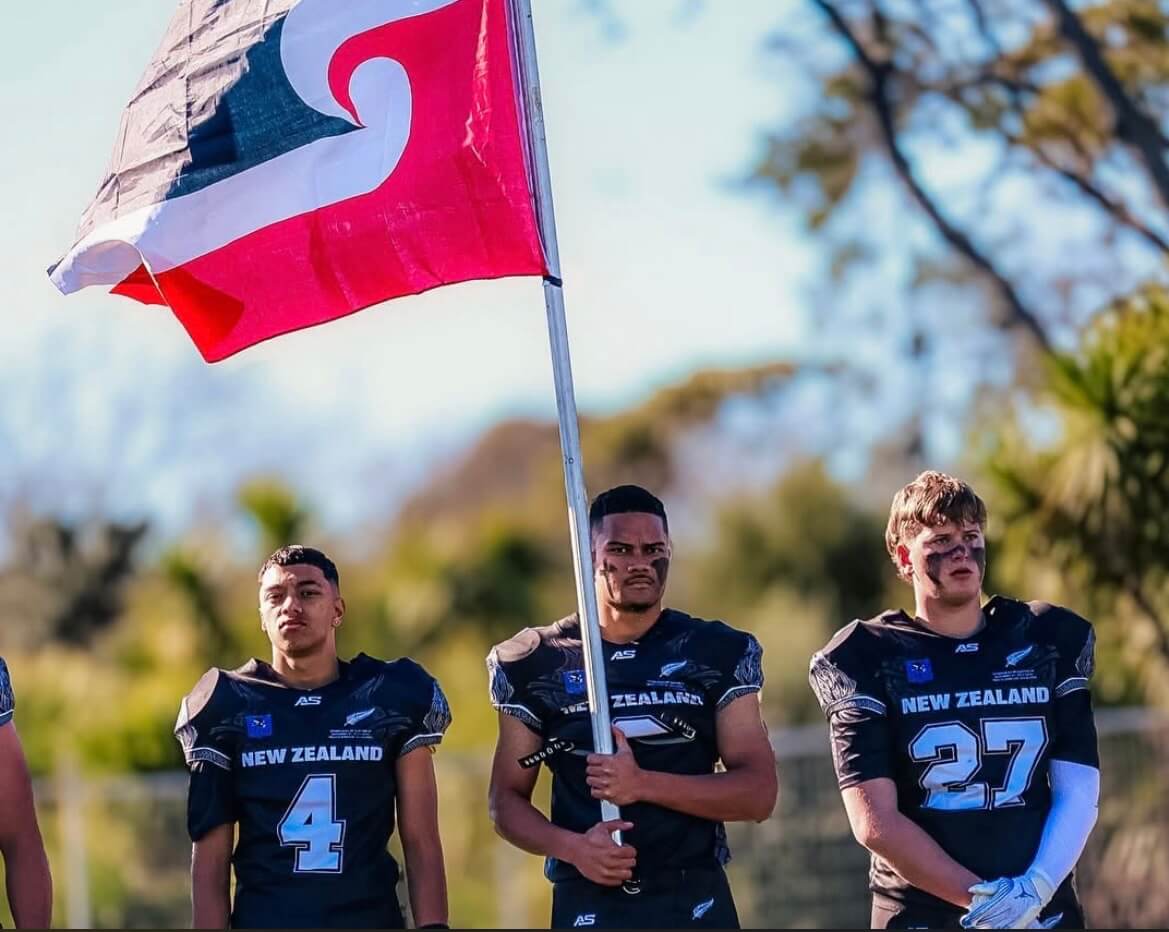
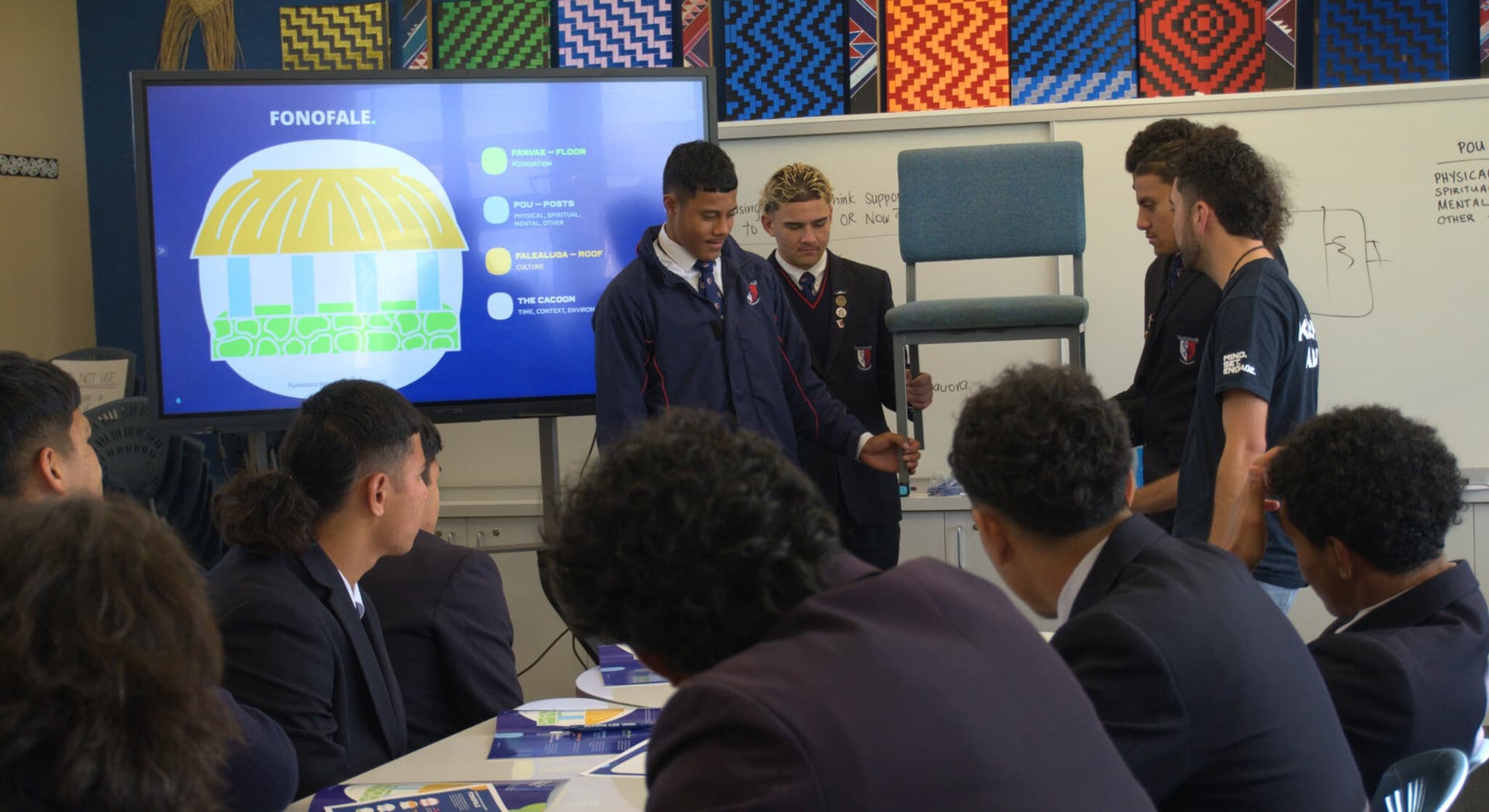
The kaupapa also led to a significant partnership with Kelston Boys High School where Fa’atauanau worked alongside New Zealand Rugby to deliver mental health and wellbeing workshops for players, coaches, teachers and whānau.
For students, the workshops provided practical strategies to manage challenges both on and off the field. For coaches, teachers and whānau, they provided an opportunity to better understand how they can create positive environments where young people feel supported and connected.
The response from whānau highlighted the value of having these conversations through sport.
“Seeing these conversations happen through sport made them much easier to have at home,” explained one whānau member. “Our kids have a place where they feel safe, valued and connected. That's what every whānau wants,” added another.
Feedback also reinforced that having the right information can also make it easier for whānau to recognise when a young person may be struggling.
“It can be difficult to notice when something has changed for your kids, or to understand what they're going through. Having the right information helps us recognise the signs and respond with understanding rather than judgement,” explained one parent.
For Jemma, the Fa’atauanau journey demonstrates why mental wellness support needs to be part of the wider grassroots sporting environment.
“Mental wellbeing is something we need to keep talking about, particularly in the spaces where rangatahi already feel connected. By strengthening the support around those environments, we can help make sure young people have somewhere to turn and people they can talk to,” explains Jemma.
“This mahi epitomises the power of collaboration – and the potential of grassroots sport to be a vehicle for positive change.”
Latest Articles