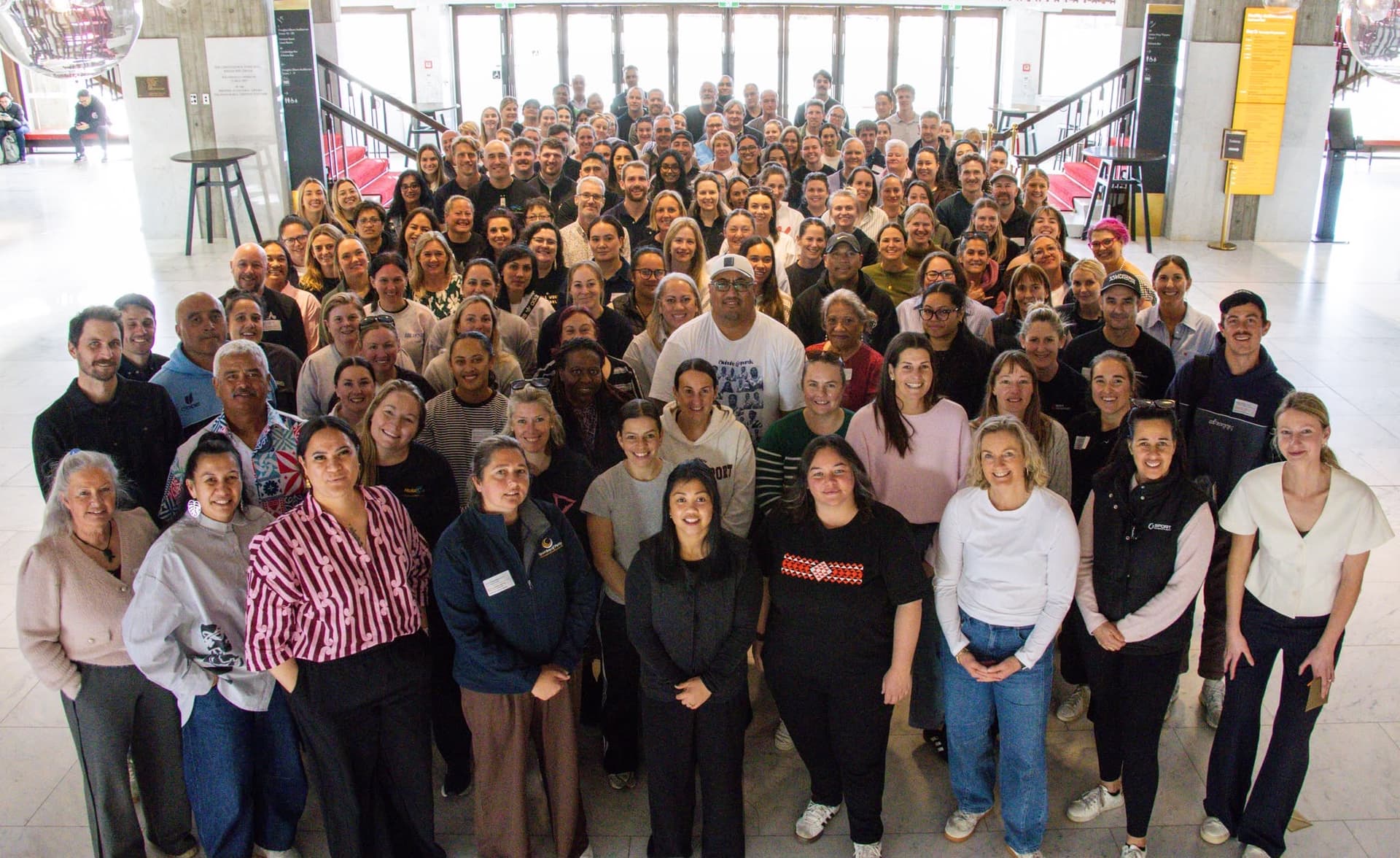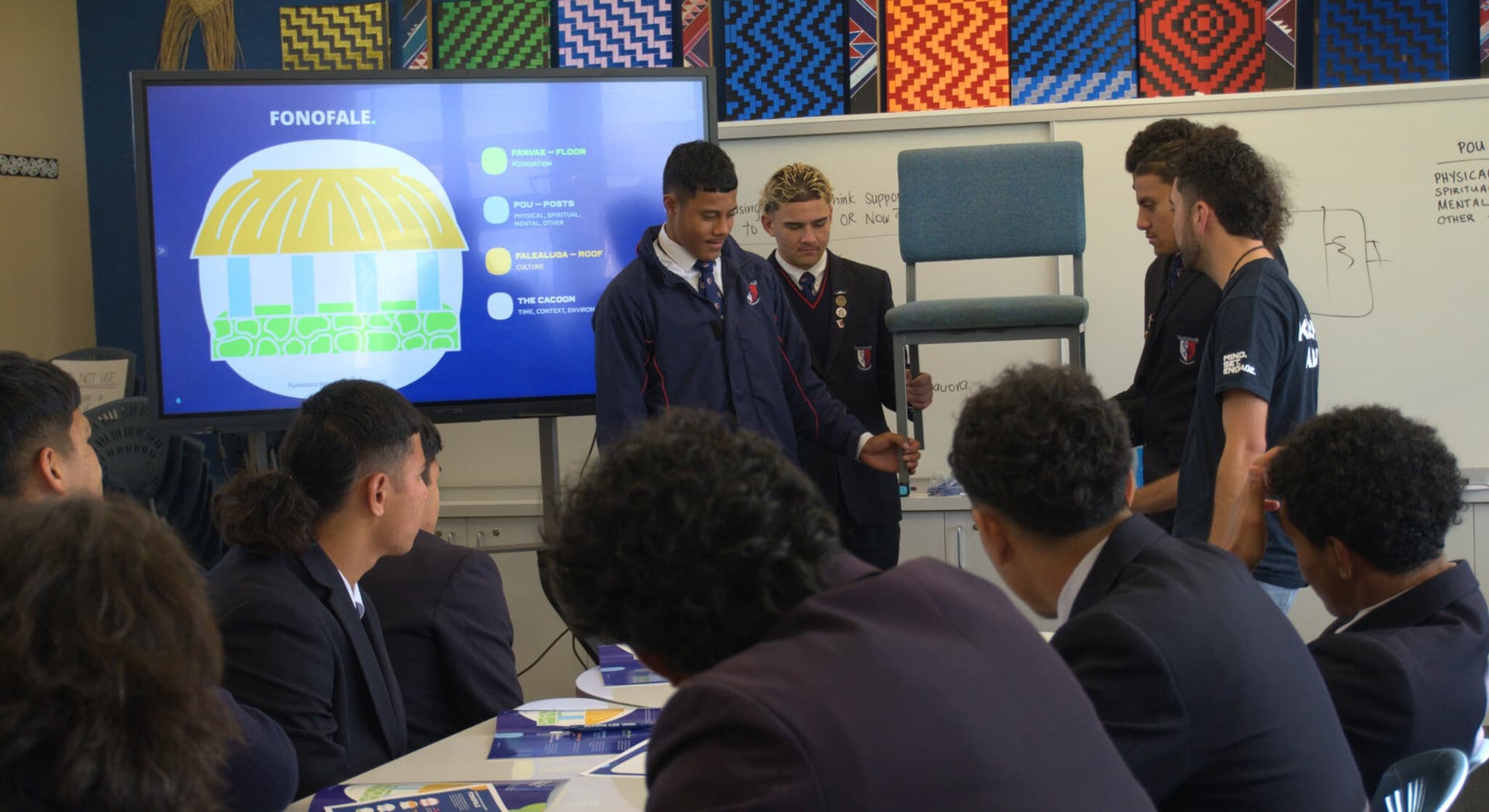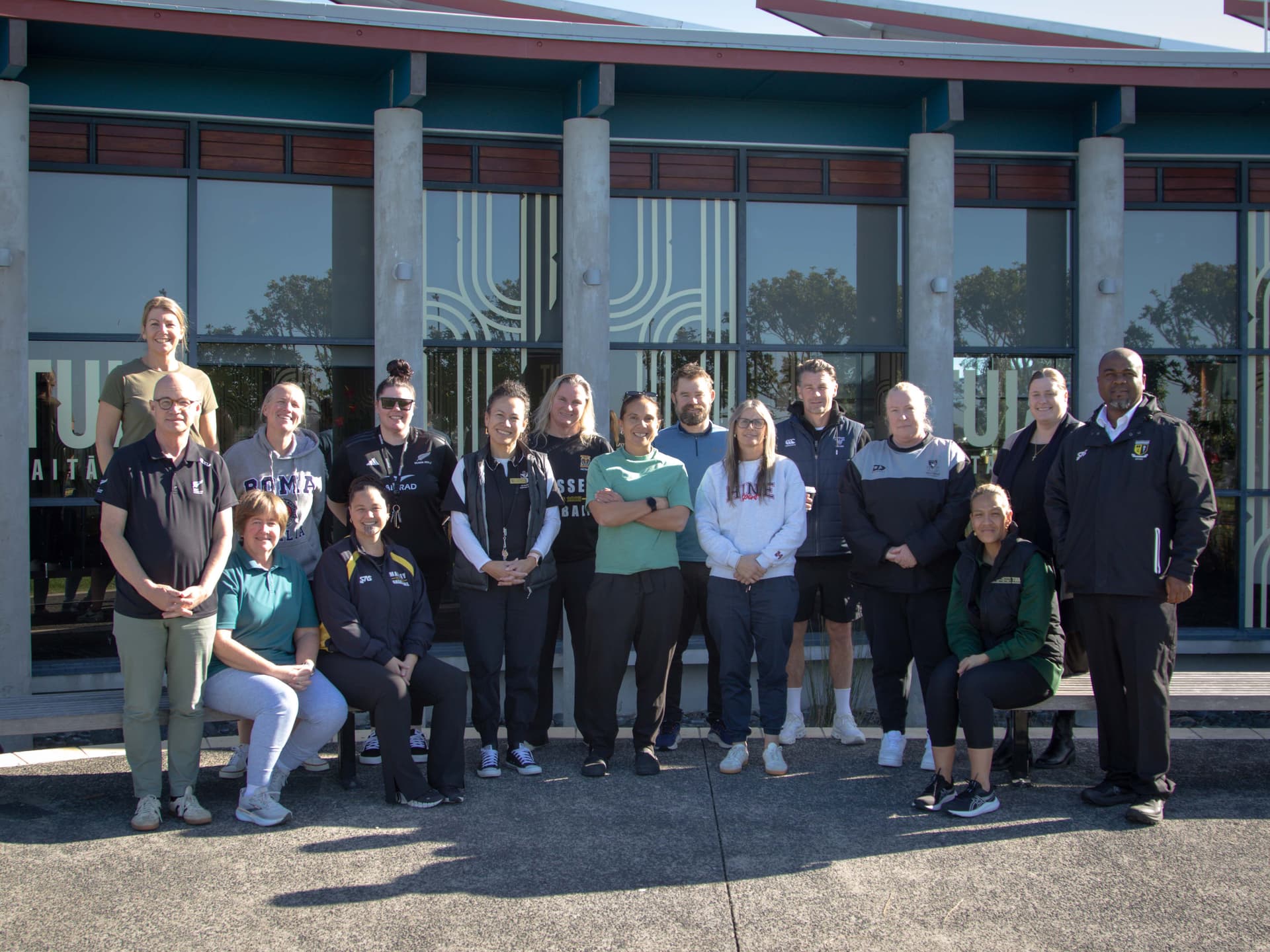
Active Pathways was a strategic planning day for West Auckland schools sports staff & their supporting senior leaders. A day of connection, ideas, reflection & collaboration for all.
For most School Sports Departments across West Auckland, a new wave of how physical activity is presented to tamariki and rangatahi is on the horizon. In 2021, an Auckland study showed that 50% of tamariki who played a sport quit before they turned 11, and 70% give up before they enter the first year of high school. That’s a wildly different landscape to the one that most school sports kaimahi grew up in themselves, where most young people were active and engaged with some form of school sport.
This has meant that kaimahi working with young people in the education space have had to pivot and think strategically about how they can encourage their rangatahi to stay engaged with sport, rethink what sports, or opportunities for movement/active recreation the school can offer, and whose voice is the most important to centre at the decision-making table (spoiler alert: it’s rangatahi voice).
We know that movement and being physically active offers tamariki and rangatahi a range of benefits that don’t just end with their physical health. It builds healthy cardiovascular systems, improves coordination, and teaches life skills like working together, not giving up, and discipline. Participation in sports and active recreation has proven results in boosting academic performance and participation for rangatahi and also helps with improving self-esteem (especially vital with Aotearoa’s youth mental health crisis).
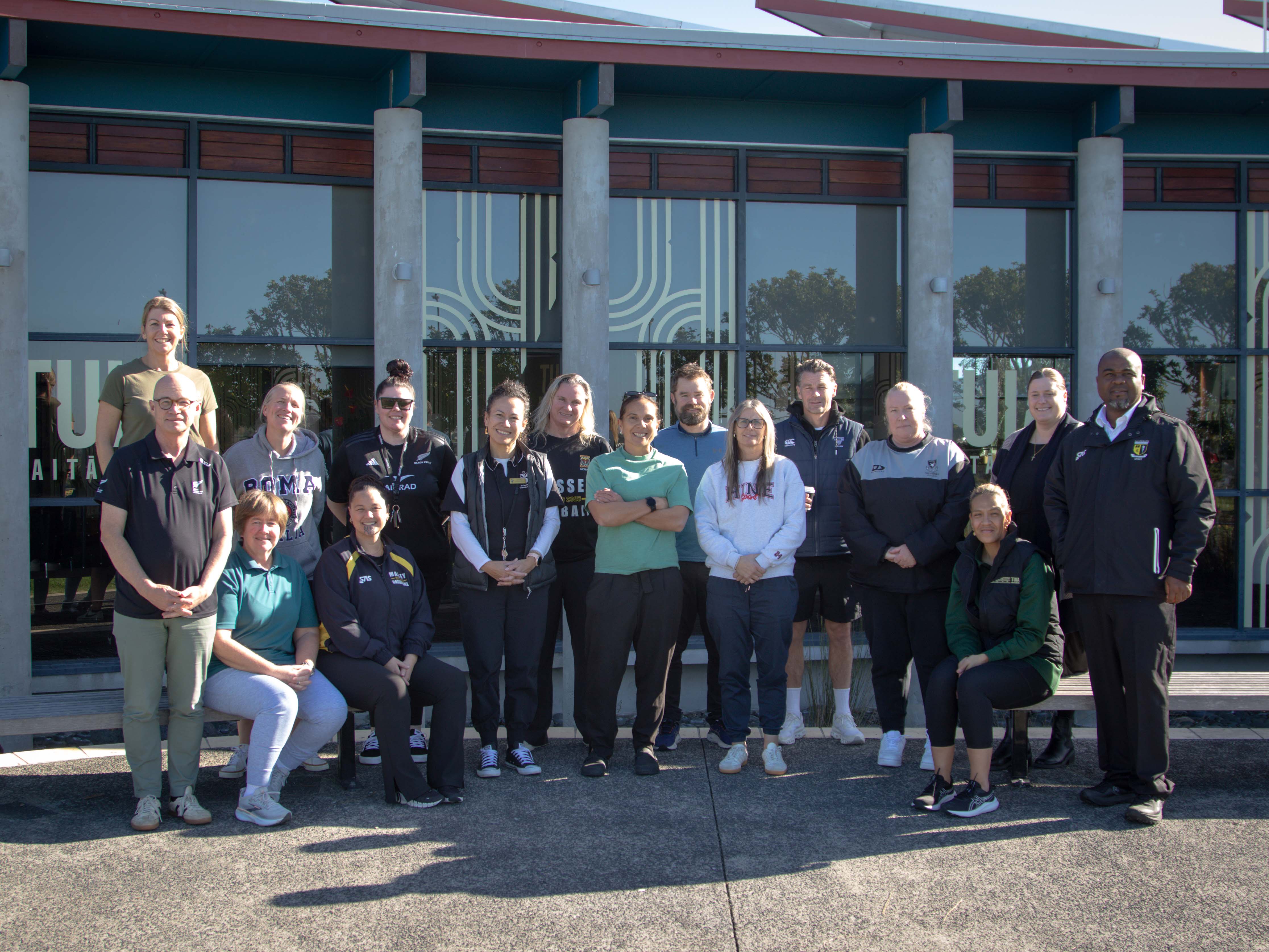
With rangatahi being a focus priority group for Tuia Waitākere, with a specific lens on keeping girls and women in sport, as well as Māori, Pasifika and Asian Communities, the mahi that the Community, Sport and Rec Team from Tuia Waitākere does feels more important now more than ever.
School System’s Lead Shanley Joyce hosted an Active Pathways strategic planning day for West Auckland schools sports staff and their supporting senior leaders. This was an opportunity for them to connect with others in their field, collaborate on ideas, reflect on what their current strategic plan might entail, and generate ideas on what they could do going forward to provide more physical activity opportunities for their students, particularly for those who are currently missing out.
Active Pathways organiser Shanley says:
“I wanted to create a space for kaiako to hear the true value of their mahi and how they play a pivotal role in creating wellbeing opportunities for the rangatahi in their schools.”
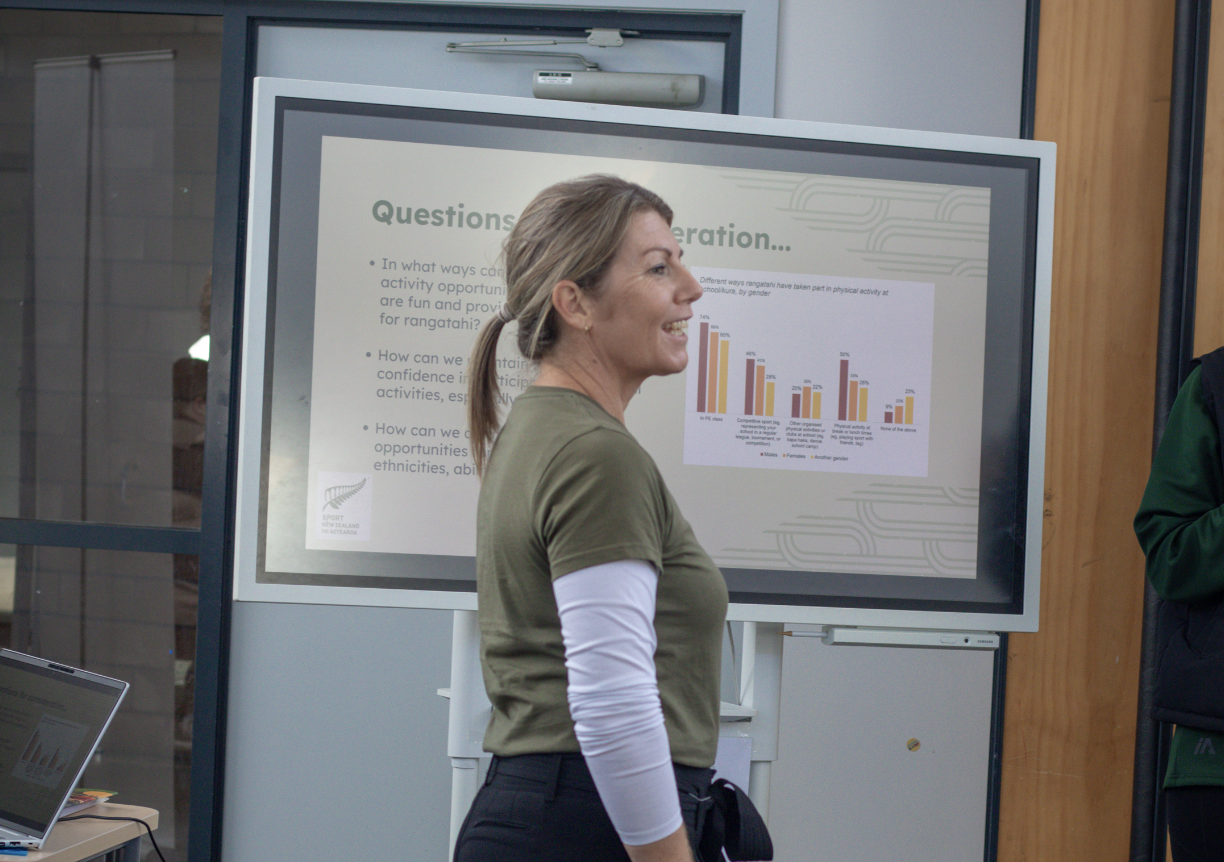
For context, West Auckland school sport participation has been slowly rising, thanks in part to the mahi by school sport staff and kaimahi like Shanley, with 34% of rangatahi participating in school sport in 2024, to 37% in 2025 , and hopes that West Auckland can achieve at least 40% for 2026.
There were 10 different West Auckland high schools represented at the Active Pathways strategic planning day, which brought more diversity to the conversations, more fun and laughter with the interactive games, and different strategies to discuss and generate ideas from. It was a good opportunity for everyone to reevaluate their current strategic plans, see what has worked, what hasn’t, and potentially get a refresh (especially for those who might have been caught up in the busy day to day mahi of school life). For many school sport staff, time is of the essence and so actually finding the time to focus on strategy alone can be difficult to balance between other priorities, meaning that a dedicated day to come together and strategise was appreciated.
Gregor Fountain from Sport NZ joined us for the day, entertaining and inspiring everyone with his lively and enthusiastic session, which included advocating for those who may not always put themselves forward for sports.
“We need to do more to hear from the kids who aren’t in sports to see what they want us to deliver and what they want to do more of – then cater to that, rather than just making it up ourselves, or always asking the ‘sporty kids’.”
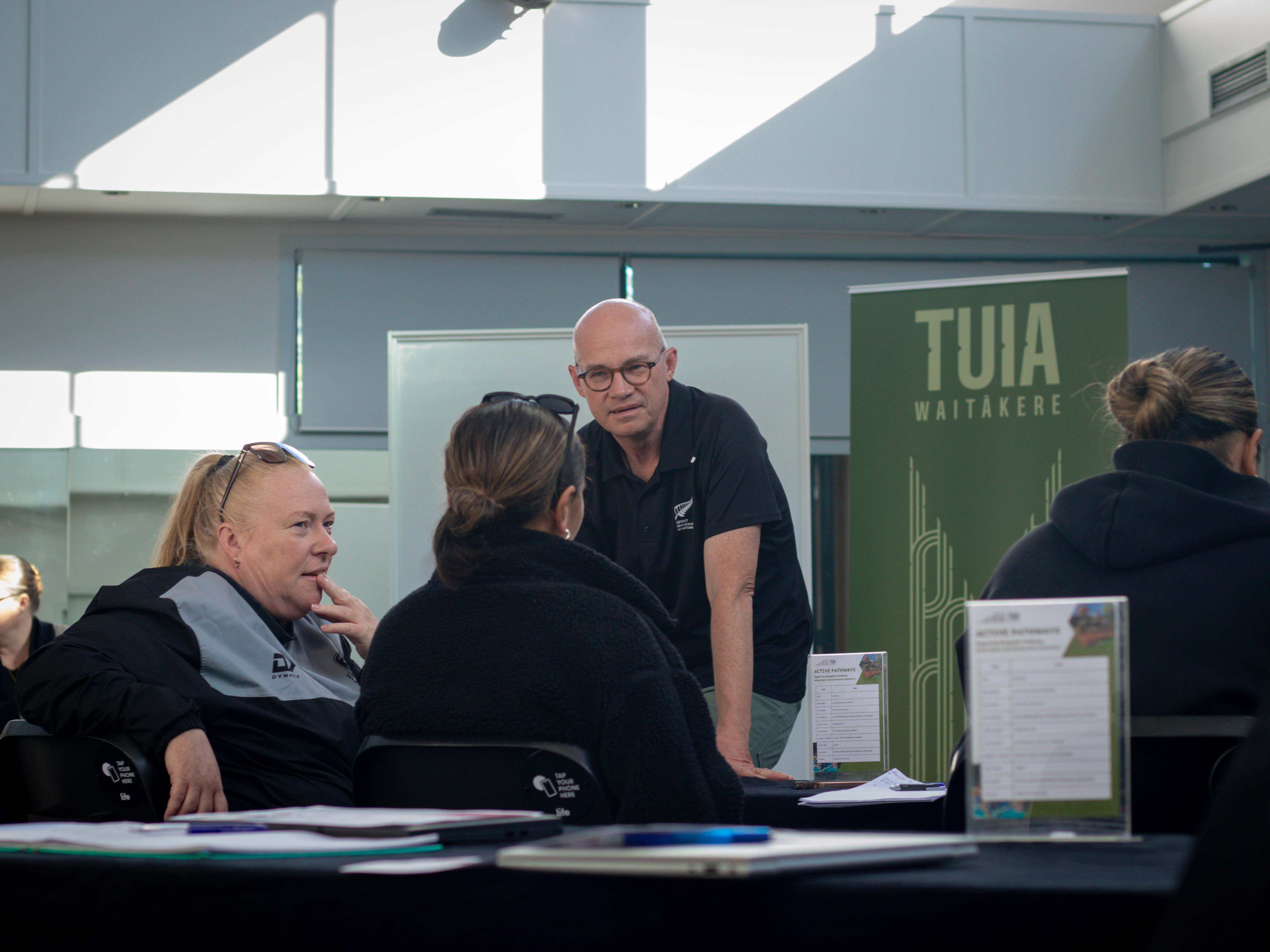
There was talk around what current physical activity trends for rangatahi are, and how these may cause a shift in current strategies in order to cater for the change in how rangatahi are choosing to move their bodies.
Overall, the day was one filled with thinking strategically and collaboratively, and bonds both new and old being nurtured.
Latest Articles