A unique community-led project in Glen Eden is helping reimagine how tamariki play, move and connect – both at school and across their wider neighbourhood.
Through a partnership between Prospect School and Tuia Waitākere (formerly Sport Waitākere), the Glen Eden community and local schools have been the focus of one of the most comprehensive community play assessments undertaken in the region.
As part of Tuia Waitākere’s commitment to enhancing play opportunities in West Auckland, the Play and Healthy Active Learning teams worked together with Prospect School to support the completion of both a Neighbourhood Play System (NPS) process and a State of Play (SoP) assessment in 2025.
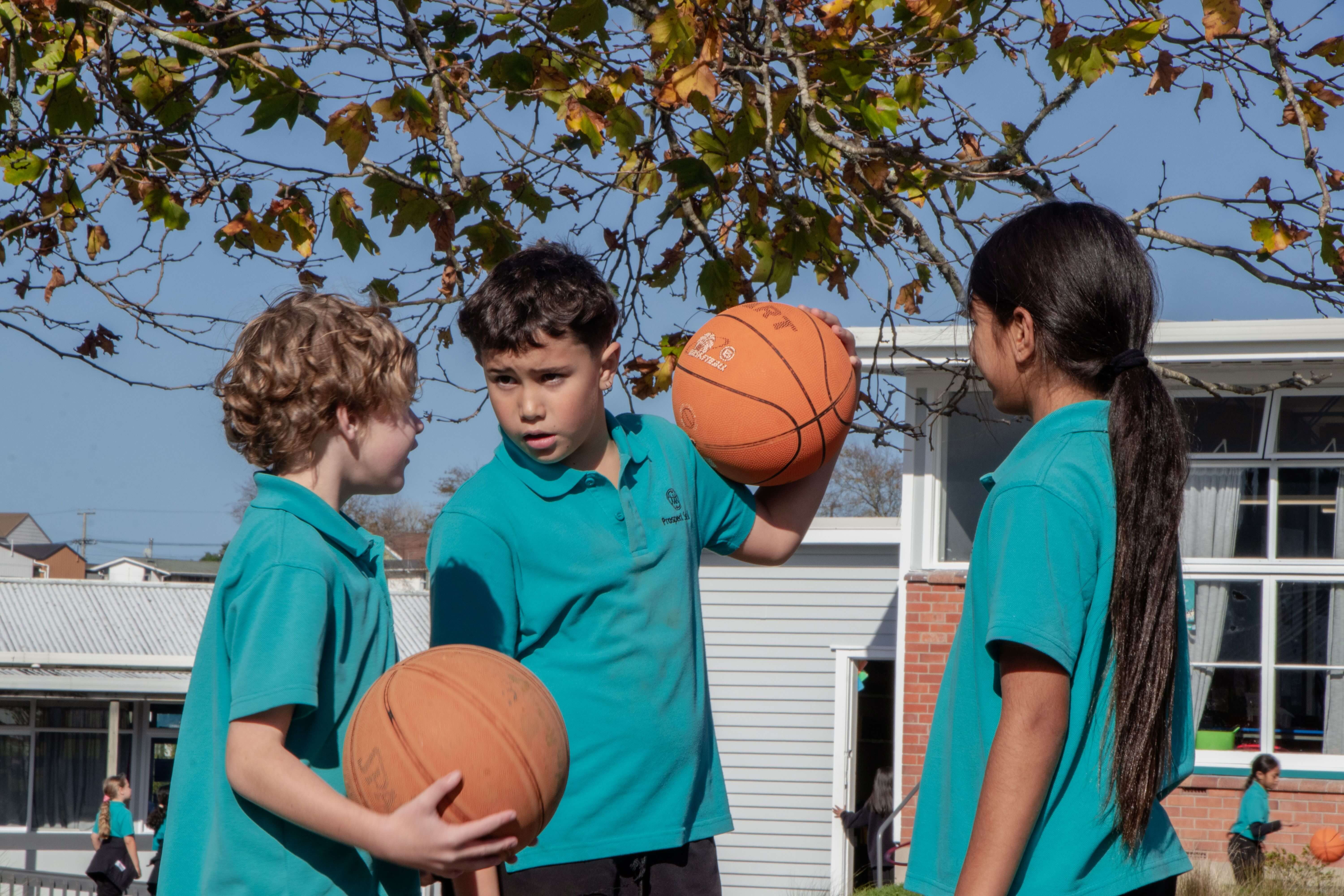
The combined assessments placed tamariki at the centre of the process, examining not only how they play at school, but also how they move, connect and play throughout the wider Glen Eden neighbourhood. It also investigated what barriers prevented them from being more active both at school and in the community.
The State of Play report established a detailed evidence base for play within the school environment. Through site observations, breaktime engagement with students and feedback from teachers and school leadership, the report assessed Prospect School across four key themes: access and mobility, awareness and agency, built and natural environment, and enjoyment.
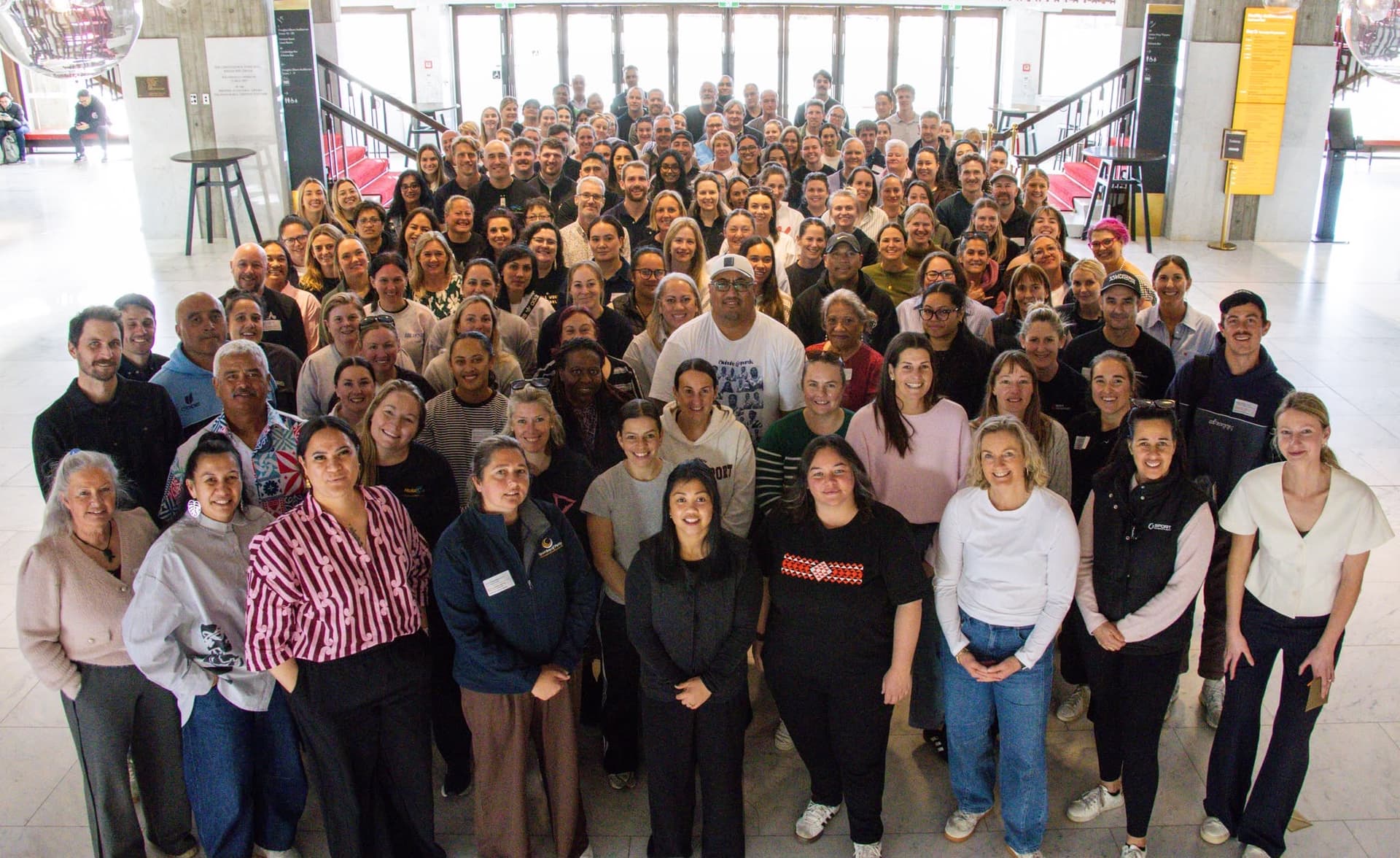
Alongside this, the Glen Eden Neighbourhood Play System expanded the lens beyond the school gates. Developed in partnership with ARUP and Sport New Zealand, the project brought together Prospect School, Konini School and Glen Eden Intermediate to better understand how children experience play and movement throughout the wider neighbourhood.
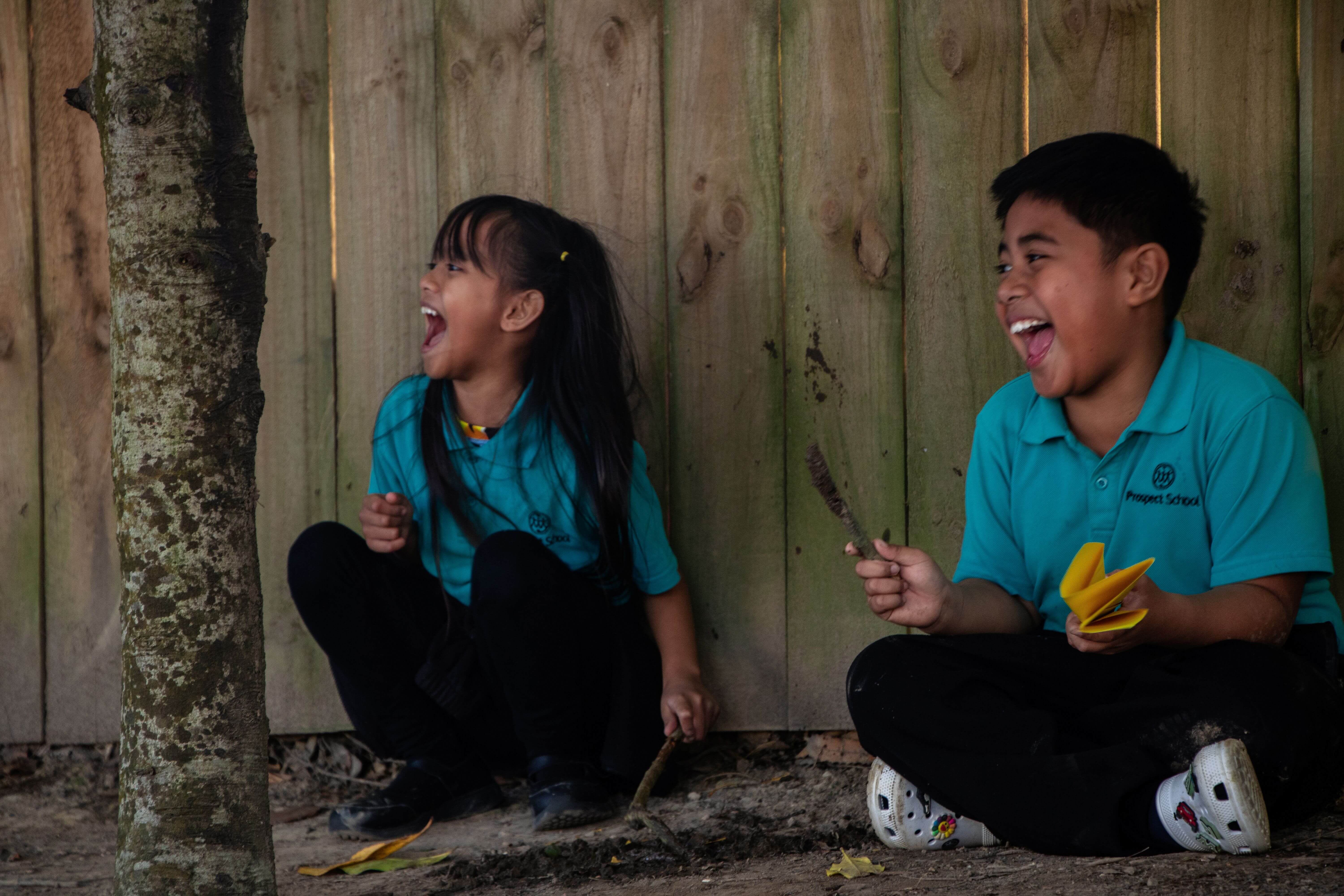
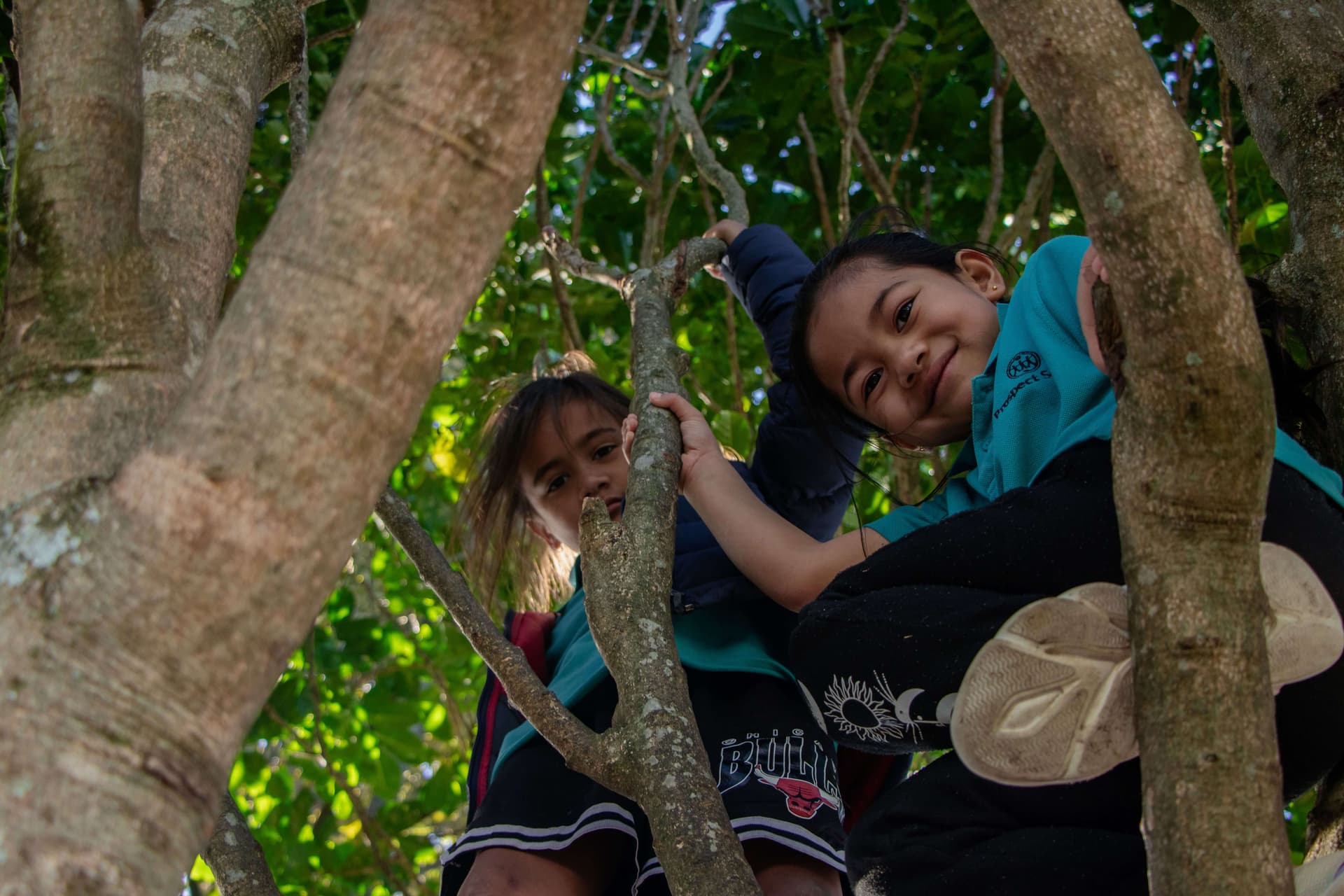
The process included desktop analysis, community engagement, stakeholder workshops and neighbourhood walks led by Prospect School’s Student Leadership Group. The student group identified places they loved, areas where they felt unsafe and opportunities to make everyday routes more playful and welcoming.
For Tuia Waitākere, the project reflects a growing shift towards designing communities with tamariki, rather than simply for them.
“Children experience neighbourhoods differently to adults, and their insights are incredibly valuable,” explains Natalie Wilcock, Healthy Active Learning Advisor at Tuia Waitākere. “By listening to tamariki and involving schools, community organisations and local agencies together, we can create environments that genuinely support healthy, active lives.”
Chloe Alderton, Play Systems Innovator at Tuia Waitākere, adds that the Glen Eden community stands to benefit significantly from investment in play-focused spaces and infrastructure.
“Glen Eden has a large and diverse young population and we know that access to safe, welcoming play opportunities has a huge impact on physical activity, wellbeing and social connection. This work helps ensure future decisions are informed by local knowledge and the voices of young people themselves.”
The findings have already helped unlock several practical projects for the community, including upgrades to the Prospect School pool as a shared community resource, fencing improvements to allow greater public access to the bike track and field after hours, and a new play stencil trail along a local walking route to school.
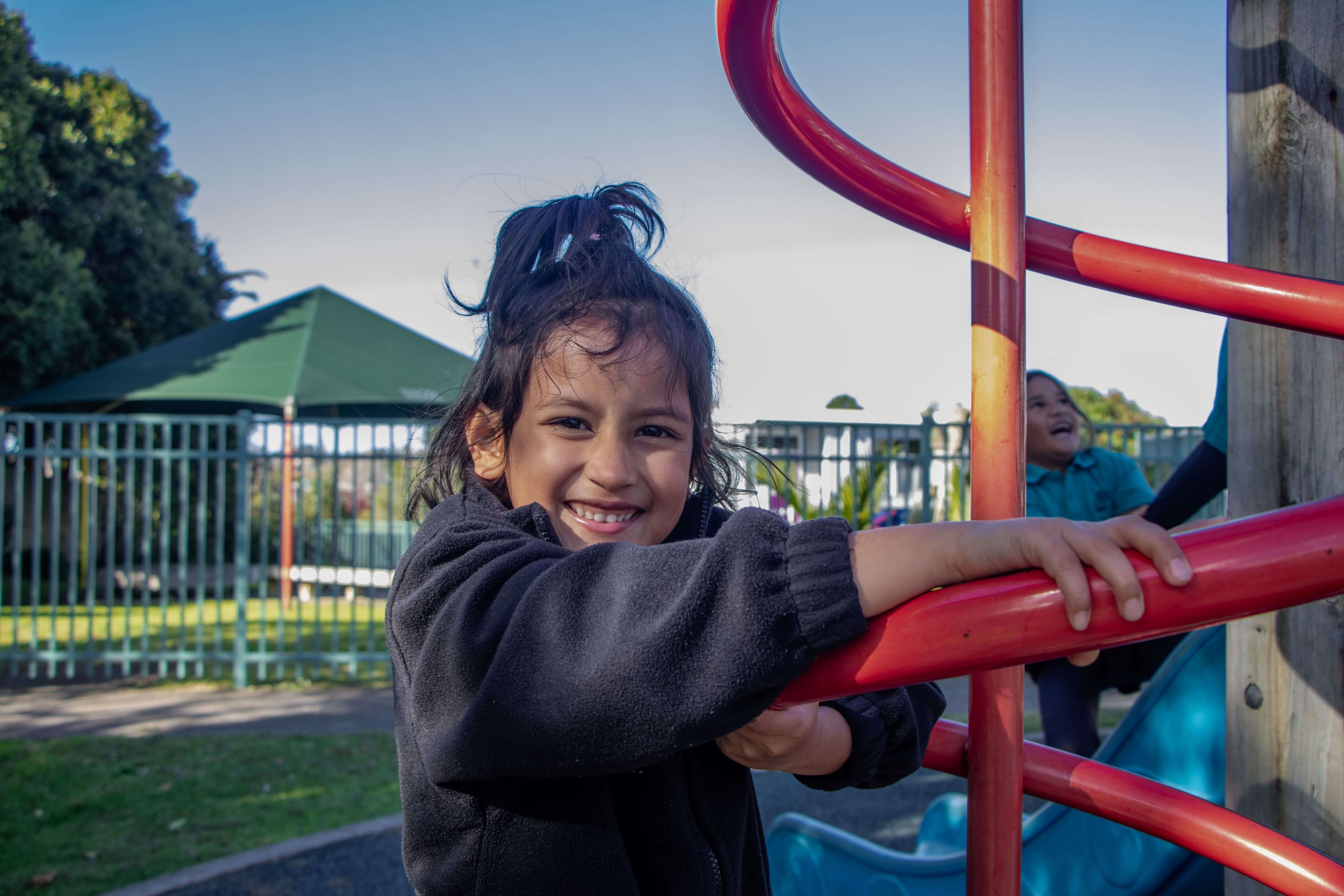
Prospect School Principal, Jasmin Hansen-McKay, says the process has empowered students and brought their valuable lived experiences to the project.
"Our tamariki are key to insights and intimate knowledge of Glen Eden – they experience its streets, parks, pathways, and spaces every single day. When we genuinely listen to their voices, we gain powerful insight into what helps children feel connected, safe, active, and joyful in their community.
“Through our kura’s commitment to culture, play, wellbeing, and belonging, our children can be important contributors to shaping the future of our local spaces. Their whakaaro and lived experiences can help to inspire meaningful projects and conversations about how Glen Eden can continue to grow as a place where whānau and tamariki can thrive.”
The reports also highlighted the importance of investment in Glen Eden with the area having not only a higher-than-average proportion of children and young people, but also significant socioeconomic diversity, meaning investment in accessible play spaces can have an especially positive impact.
Waitākere Ranges Local Board Chair, Mark Allen, says the evidence gathered through the project will help support future advocacy and investment.
“This work highlights the importance of listening to young people and designing neighbourhoods that support active, connected communities. The evidence gathered through these assessments gives us a strong foundation for future planning and investment in Glen Eden.”
A number of projects identified through the resulting action plan are now seeking ongoing support and funding. Immediate priorities include refreshing play stencils, activating the Roick Parade pedestrian accessway with playful elements, establishing a Kaitiaki Leadership Forum to oversee delivery of the action plan, and developing a formal play policy at Prospect School.
Longer-term goals include safer pedestrian crossings and walking routes, a neighbourhood-wide wayfinding strategy with ‘play on the way’ features, shade structures for play spaces, equipment to encourage girls’ active play, and the continued development of the Prospect School community pool project.
Tuia Waitākere is now encouraging partners, funders and community organisations to support the next stage of the project and help continue building healthier, more playful neighbourhoods for West Auckland tamariki and whānau.
Latest Articles
-1.png&w=1920&q=75)